Pigmentation
Pigmentation after acne
Brown or dark marks left behind once a spot has healed.
What is it?
When inflammation heals, the skin in that spot can produce too much pigment. A brown or dark mark is left behind, even when the spot itself is long gone. This is called post-inflammatory hyperpigmentation.
It is more common in tinted or dark skin. It is not a scar: the skin is smooth, only the colour is different. It often fades slowly over months, but it can also last a long time.
How does it develop?
Every inflammation stimulates the pigment cells in the skin. The deeper and longer the inflammation, the greater the chance of a mark. Squeezing, scratching and products that are too strong increase the stimulus. And sun makes a mark darker and makes it last longer.
First the acne, then the marks
As long as new spots appear, new marks appear too. That is why we first treat the acne with acne therapy. Then, or at the same time if the skin allows it, we treat the pigmentation with peels, ME-Line or microneedling.
What can you do yourself?
Leave spots alone and apply sunscreen with at least SPF 30 every day, also in winter. Serums with niacinamide or vitamin C can lighten pigmentation. During the intake we discuss which products suit skin that still has acne.
How we approach it
Every treatment plan starts with a free 30-minute intake. Your skin therapist examines your skin and discusses what you would like to achieve. We then draw up a treatment plan together. Sometimes one treatment is enough, sometimes we combine two. You also receive advice on caring for your skin at home.
Frequently asked questions
Is it a scar?
No. With a scar the skin itself has changed: there is a pit or a thickening. With a pigment mark only the colour is different. That is why it can usually be improved well.
Do the marks go away by themselves?
They often fade slowly over months. With sun protection this goes faster. In tinted skin or after deep inflammation it can take a long time. Then treatment helps.
Which treatment works best?
That depends on your skin and whether there is still active acne. Peels combine well with acne therapy. For stubborn pigmentation we use ME-Line. If there are also small scars, microneedling can improve both.
Can I be treated if I have dark skin?
Yes. We adjust the strength of the peel to your skin. ME-Line is suitable for every skin colour.
Is the treatment covered by insurance?
Acne therapy on the face is often covered by supplementary insurance. Treatment of the pigmentation itself is not covered. More on the insurance page.
How much does it cost?
A peel starts at € 90, an ME-Line treatment at € 155 and SkinPen microneedling costs € 210. All prices are on the prices page.
Treatments
Suitable treatments
Which treatment works best for you depends on your skin. These are the treatments we use most often for this concern.
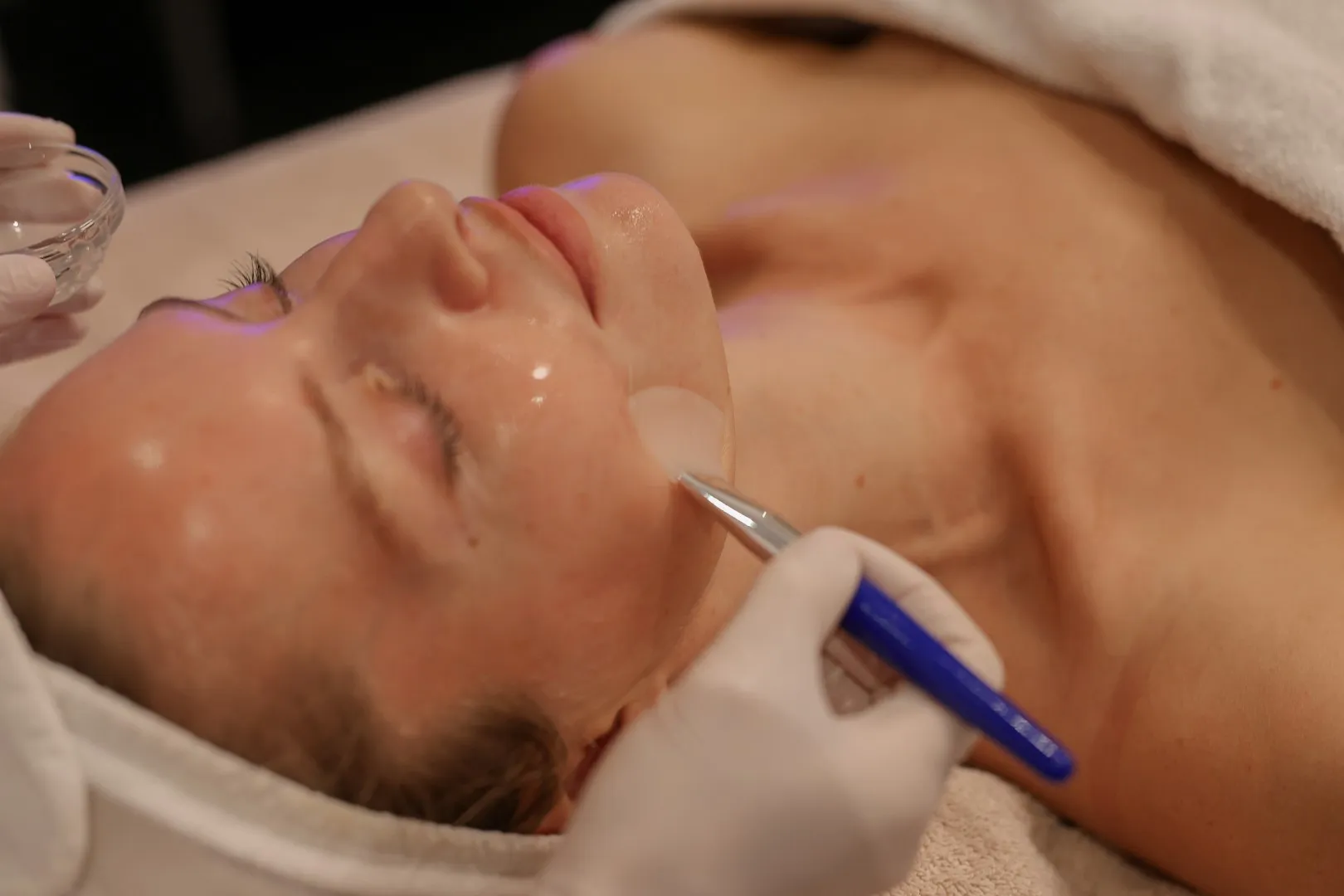
Chemical peels
From a very light peel that barely shows after the treatment to a very deep TCA or phenol peel. For each treatment we choose the strength your skin can handle.
From€ 90RecoveryNone to 7 days
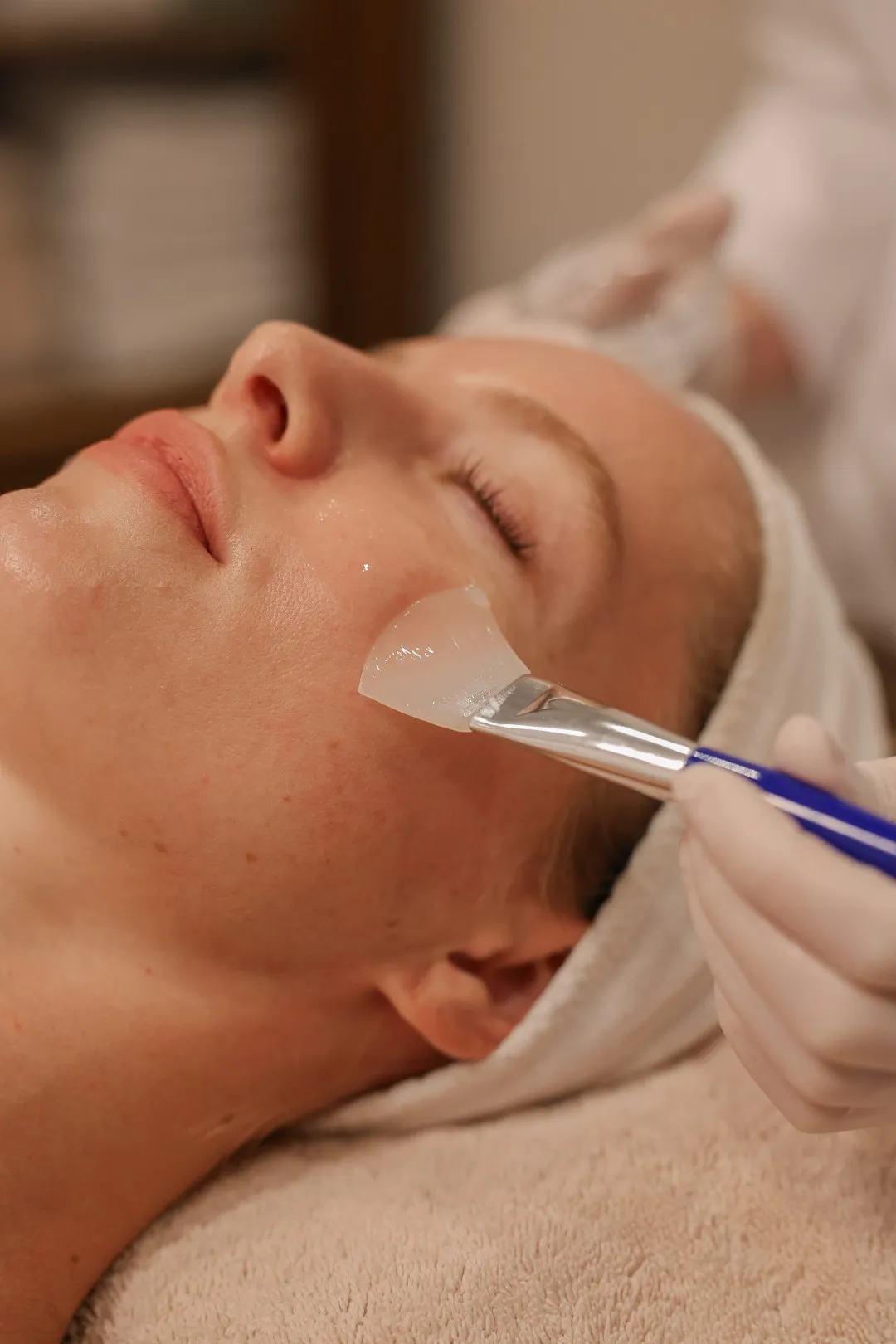
ME-Line pigmentation treatment
A course of three treatments with a home kit, developed specifically for stubborn pigmentation such as melasma.
From€ 155Recovery3–7 daysCourse3 × every 4–6 weeks
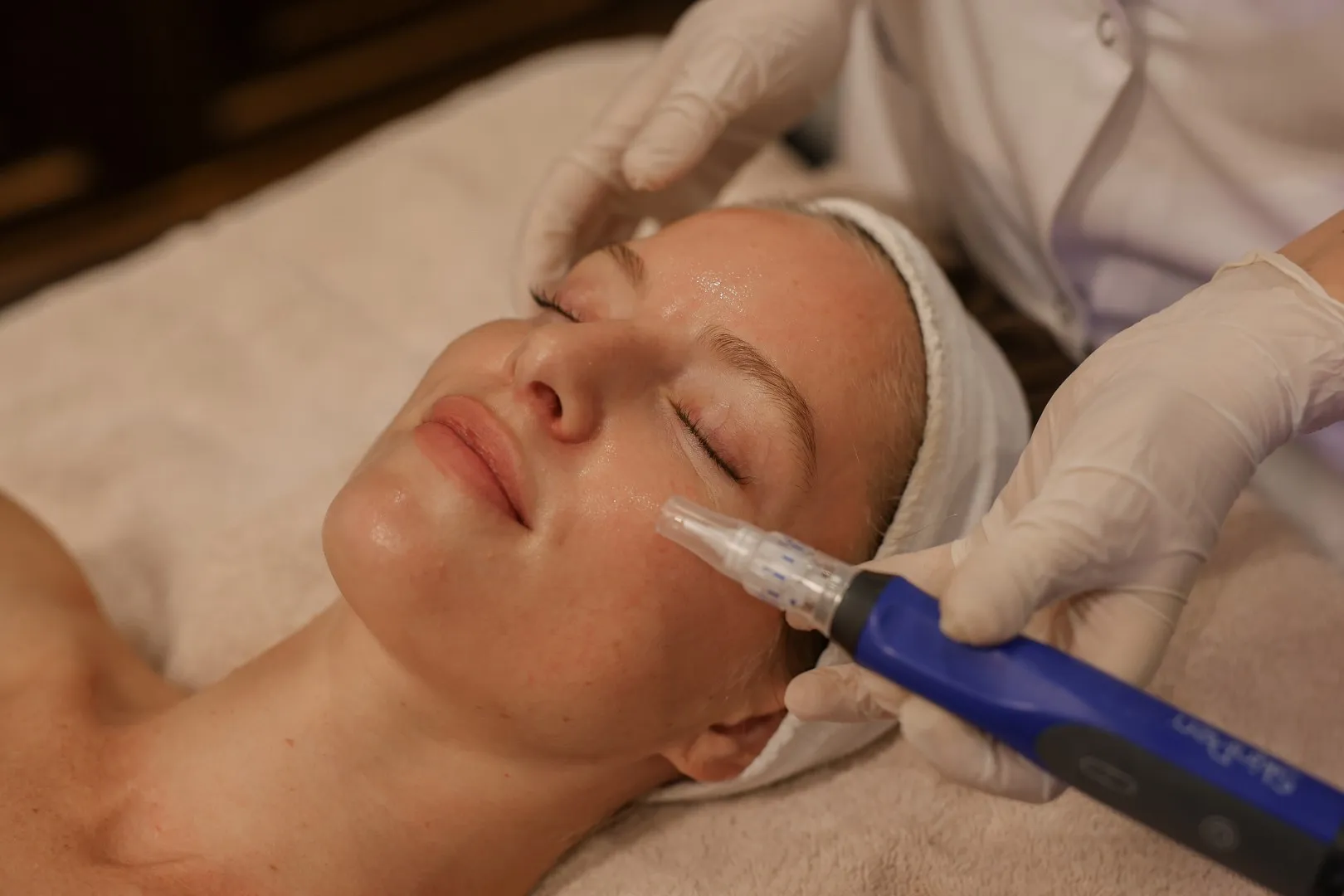
SkinPen CIT (medical microneedling)
Medical microneedling with the SkinPen, the first microneedling system with FDA clearance. Cleared for facial acne scars and neck wrinkles.
From€ 210RecoveryApprox. 1 dayCourse3–6 × every 4 weeks
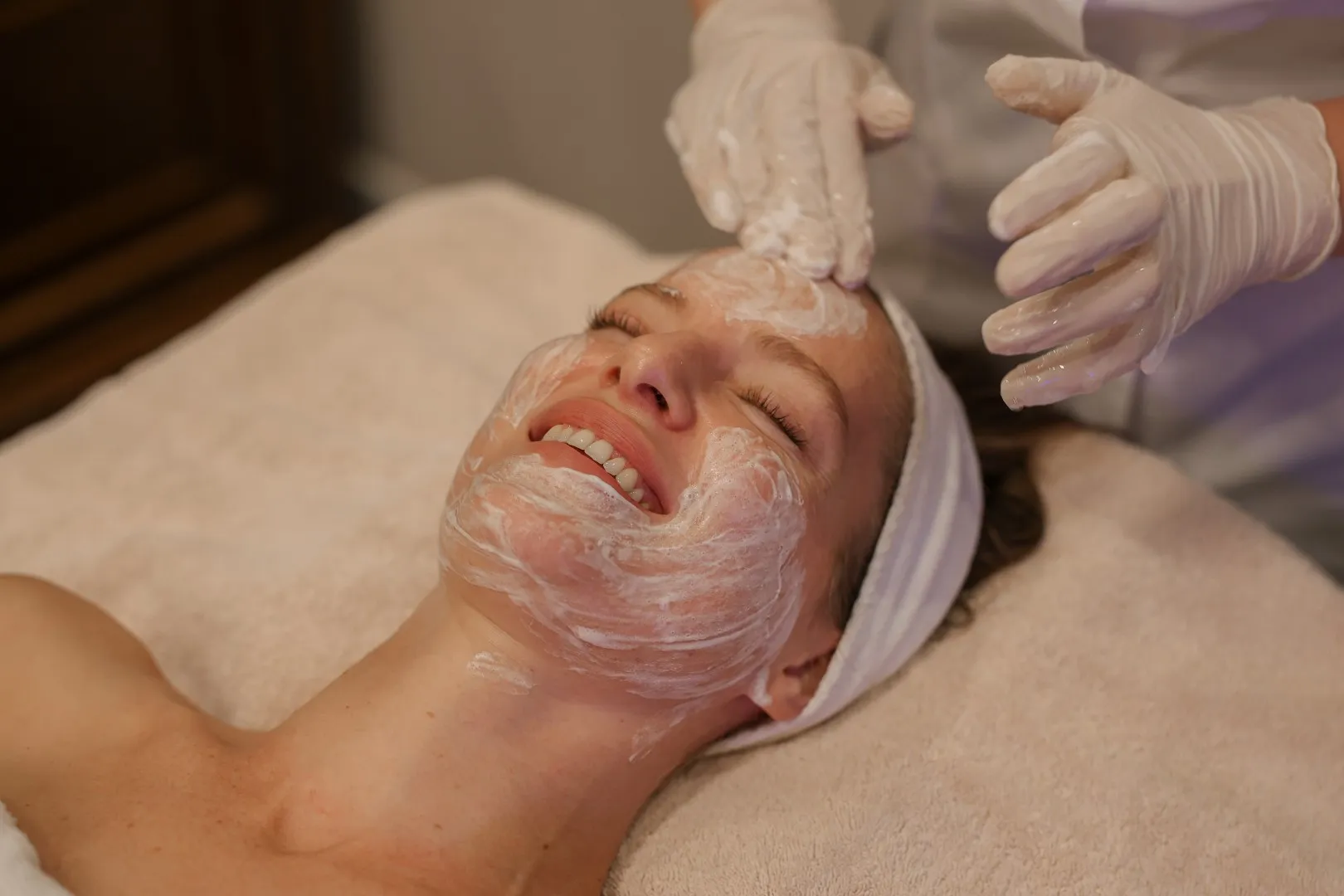
Acne therapy
A personal approach to acne with deep cleansing, optionally with a peel or LED. For acne on the face, often covered by supplementary insurance.
From€ 60RecoveryNone to limited
Results
Before and after treatment
Every result is different. If a photo credits a source, it comes from another clinic that works with the same device. During the intake we discuss what you can expect.
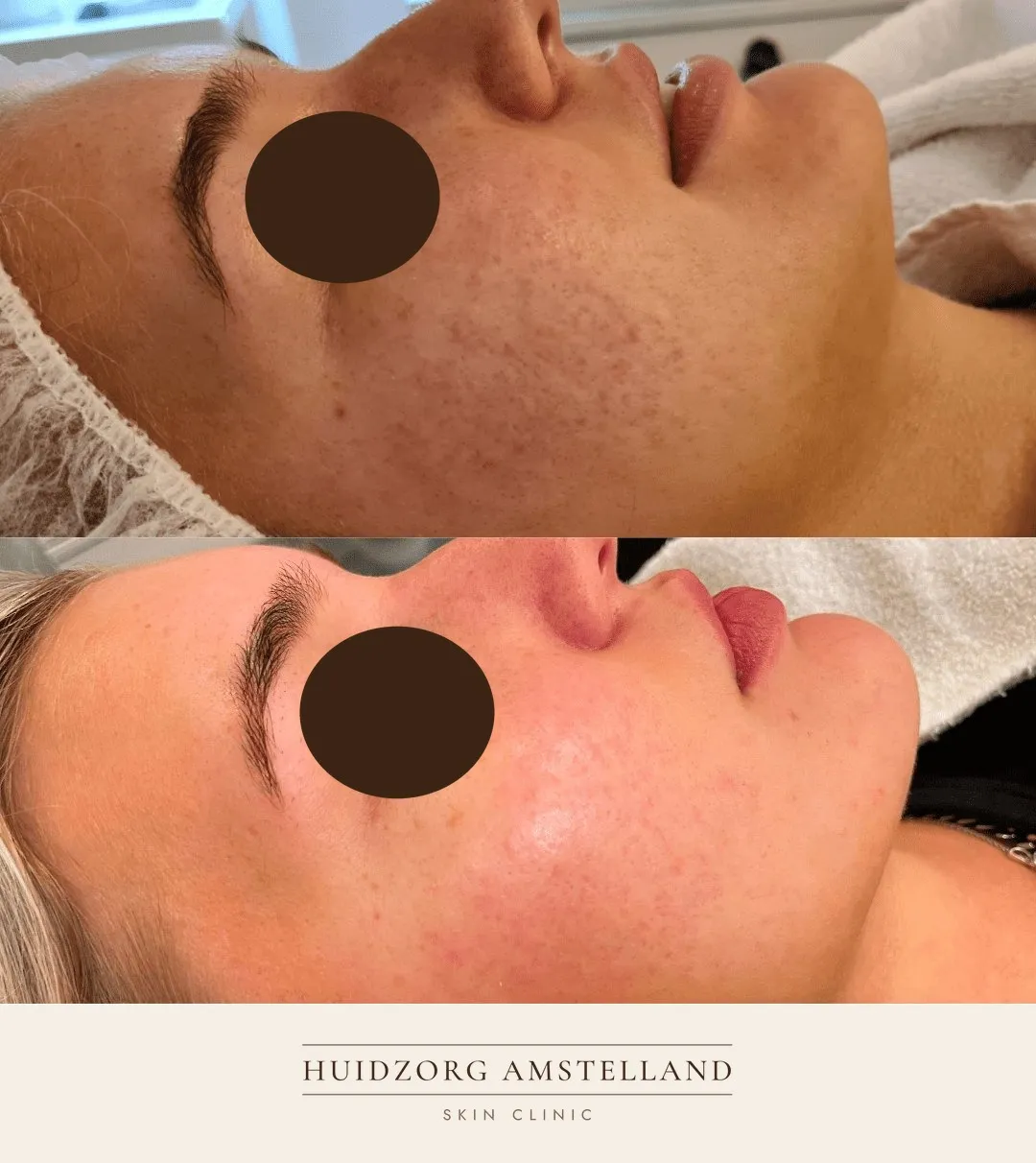
SkinPen CIT (medical microneedling)Result of a SkinPen course of three treatments for acne scars on the cheeks.View the treatment →
Questions about pigmentation after acne? We are happy to help.
Book a free intake. We look at your skin and tell you honestly what we can do for you.