Pigmentation
Age spots
Light brown to dark brown spots caused by sunlight, on the face and hands.
What is it?
Age spots are benign pigment changes caused by sunlight, mainly on the face and hands. They are round or oval, light brown to dark brown spots ranging from a few millimetres to a few centimetres in size.
How do they develop?
The name is a little misleading: the cause is not age but the sun. Pigment cells that have received a lot of UV light over many years start producing more pigment in some places. That is why the spots mainly appear on the face, hands, forearms, shoulders and décolleté.
They usually become visible from around the age of forty. People who have spent a lot of time outdoors or often got sunburnt in the past tend to get them earlier.
First make sure it is harmless
Not every brown spot is an age spot. If a spot grows quickly, changes colour or shape, or starts to itch or bleed, see your GP first. We only treat spots that are clearly benign. If the skin therapist has any doubt, we will ask you to see your GP first.
After the treatment
After laser or IPL the spot first turns darker. Within one to two weeks that layer flakes off and the spot is lighter or gone. After cryotherapy a small scab forms; after 10 to 14 days you will see the new skin.
Do not pick at scabs, and apply sunscreen to the area every day afterwards. This prevents new pigment forming in the same place.
How we approach it
Every treatment plan starts with a free 30-minute intake. Your skin therapist examines your skin and discusses what you would like to achieve. We then draw up a treatment plan together. Sometimes one treatment is enough, sometimes we combine two. You also receive advice on caring for your skin at home.
Frequently asked questions
Do age spots come back?
A spot that has been treated properly is usually gone. If you then spend a lot of time in the sun without protection, a new spot can form in the same place or next to it. SPF 30 or higher on your face and hands every day is the best way to prevent this.
Can the treatment be done in summer?
Laser and IPL work best on skin that is not tanned. On tanned skin the risk of discolouration is higher. Many people therefore plan the treatment in autumn or winter. We discuss what suits you at the intake.
Is removing age spots covered by insurance?
No. Age spots are harmless, and removing them counts as a cosmetic treatment. Health insurers do not cover it.
Treatments
Suitable treatments
Which treatment works best for you depends on your skin. These are the treatments we use most often for this concern.
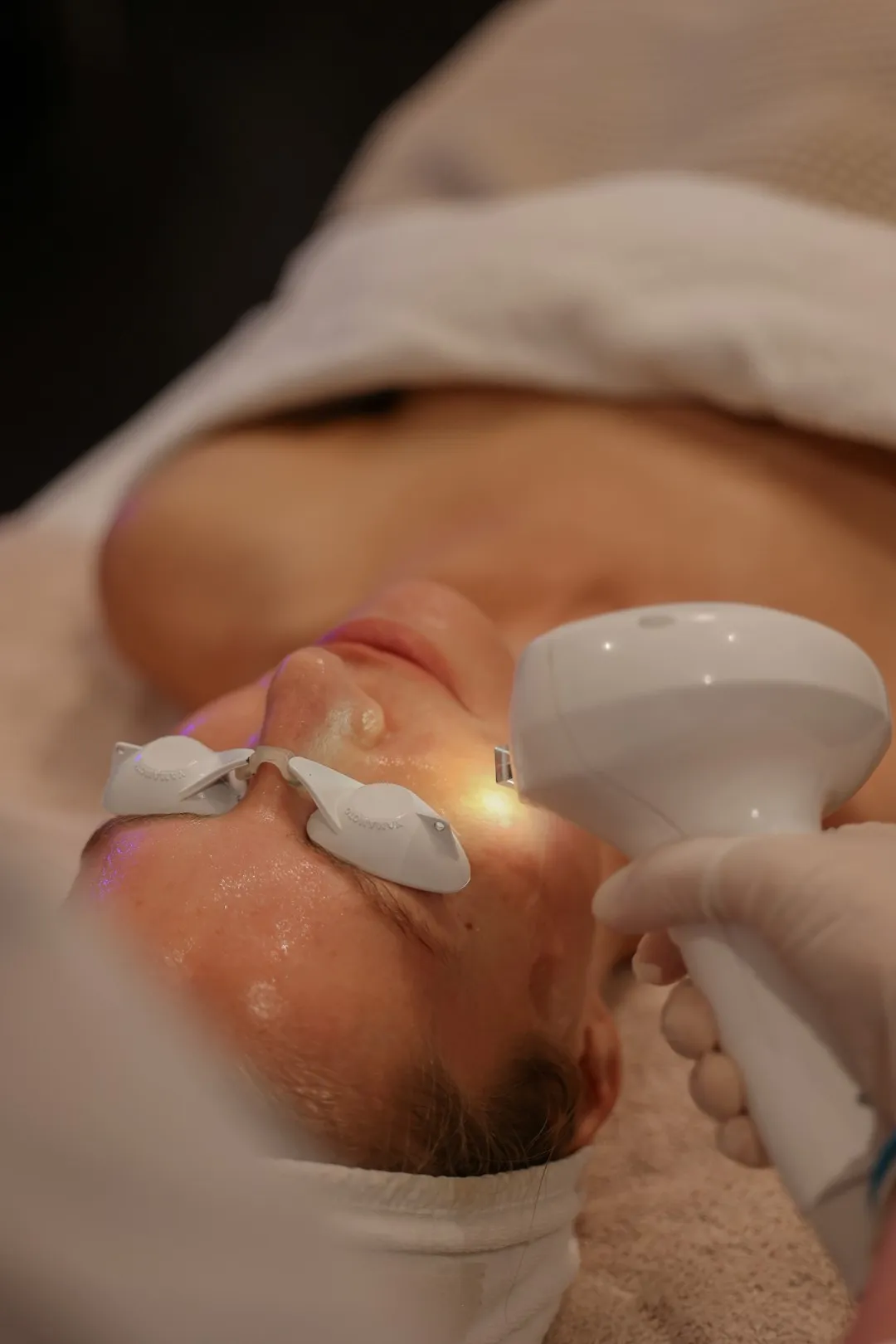
Laser therapy
Laser and IPL for broken capillaries, pigmentation, acne and scars, performed by registered skin therapists.
View treatment →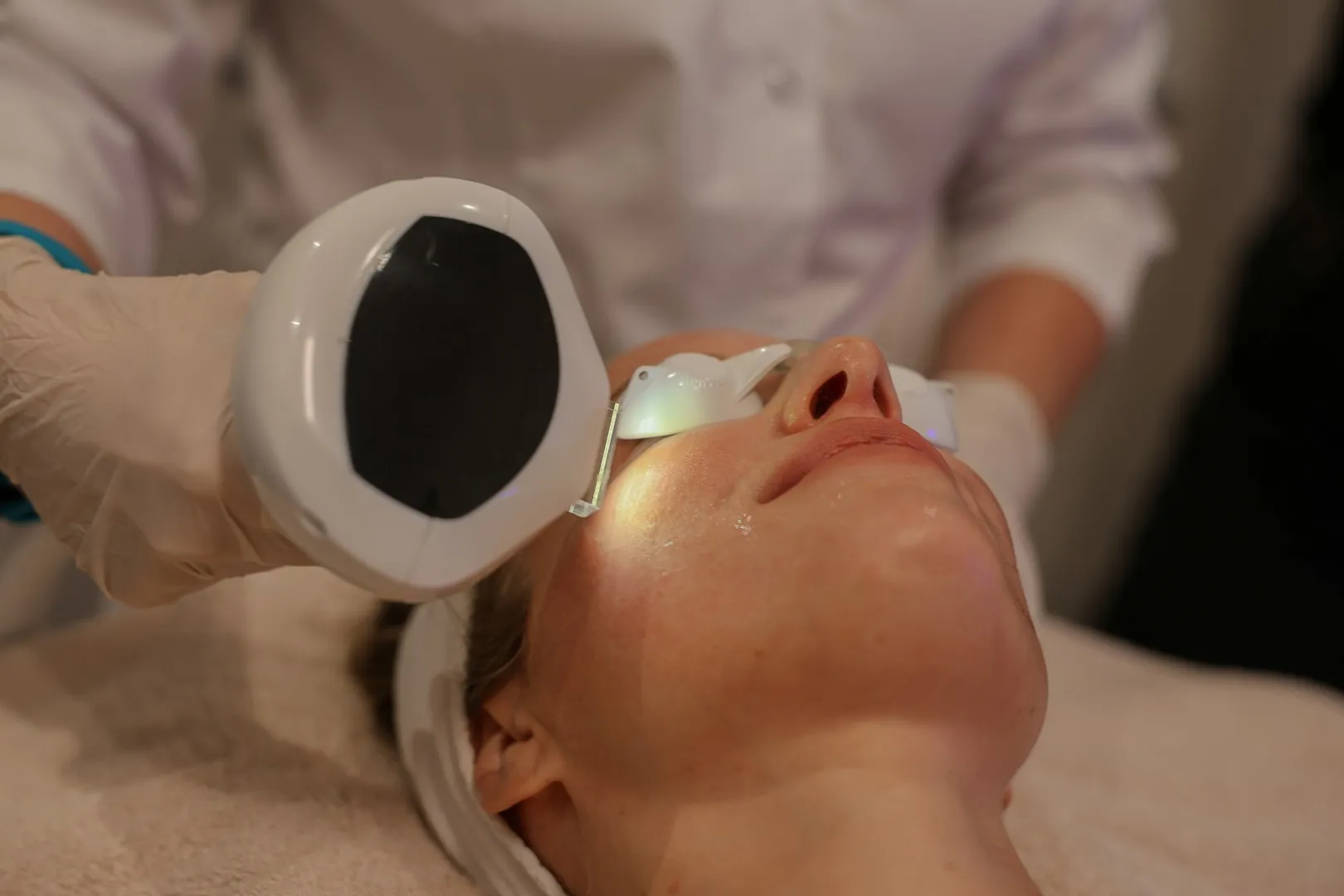
Lumecca IPL
Powerful pulsed light for pigmentation, broken capillaries and redness. One to three treatments are often enough for calmer, more even skin.
View treatment →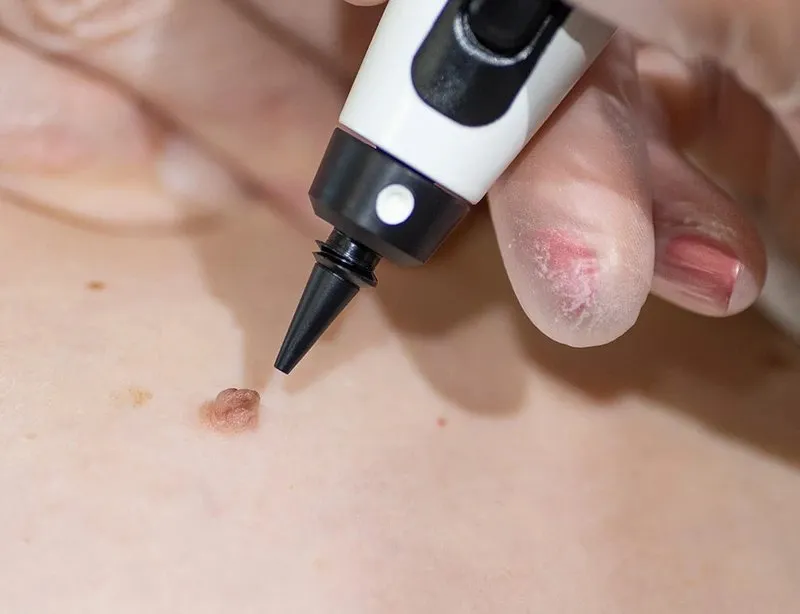
Removal of benign skin lesions
Skin tags, milia, seborrhoeic warts or a broken capillary: lesions like these have usually gone after one or two treatments.
View treatment →Questions about age spots? We are happy to help.
Book a free intake. We look at your skin and tell you honestly what we can do for you.