Acne & scars
Scars
After surgery, an accident or a wound: more supple, flatter and less visible.
What is it?
A scar is a permanent, visible skin abnormality that forms after deep damage to the skin. Scars can be thin or raised and thickened.
A scar can itch, hurt or restrict movement. Sometimes it is mainly bothersome because of how it looks. In all cases, there is usually a lot that can be improved.
How we approach it
Every treatment plan starts with a free 30-minute intake. Your skin therapist examines your skin and discusses what you would like to achieve. We then draw up a treatment plan together. Sometimes one treatment is enough, sometimes we combine two. You also receive advice on caring for your skin at home.
Insurance
Scar therapy may be covered by supplementary insurance. After a medical procedure, some insurers ask for a referral.
Treatments
Suitable treatments
Which treatment works best for you depends on your skin. These are the treatments we use most often for this concern.
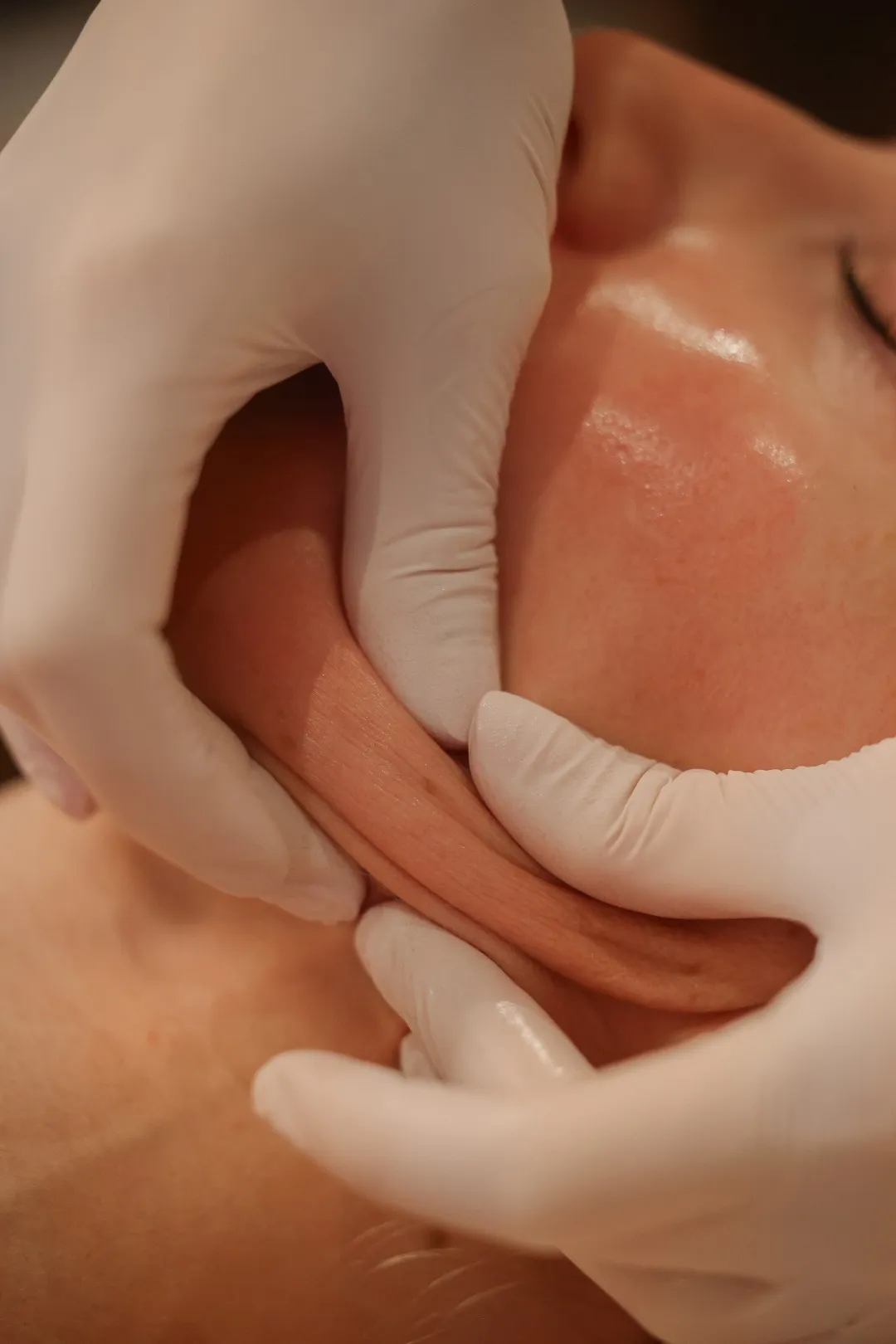
Scar therapy
A scar can pull, itch or get in the way. With massage, Tixel, microneedling and silicone, we make it more supple and less visible.
View treatment →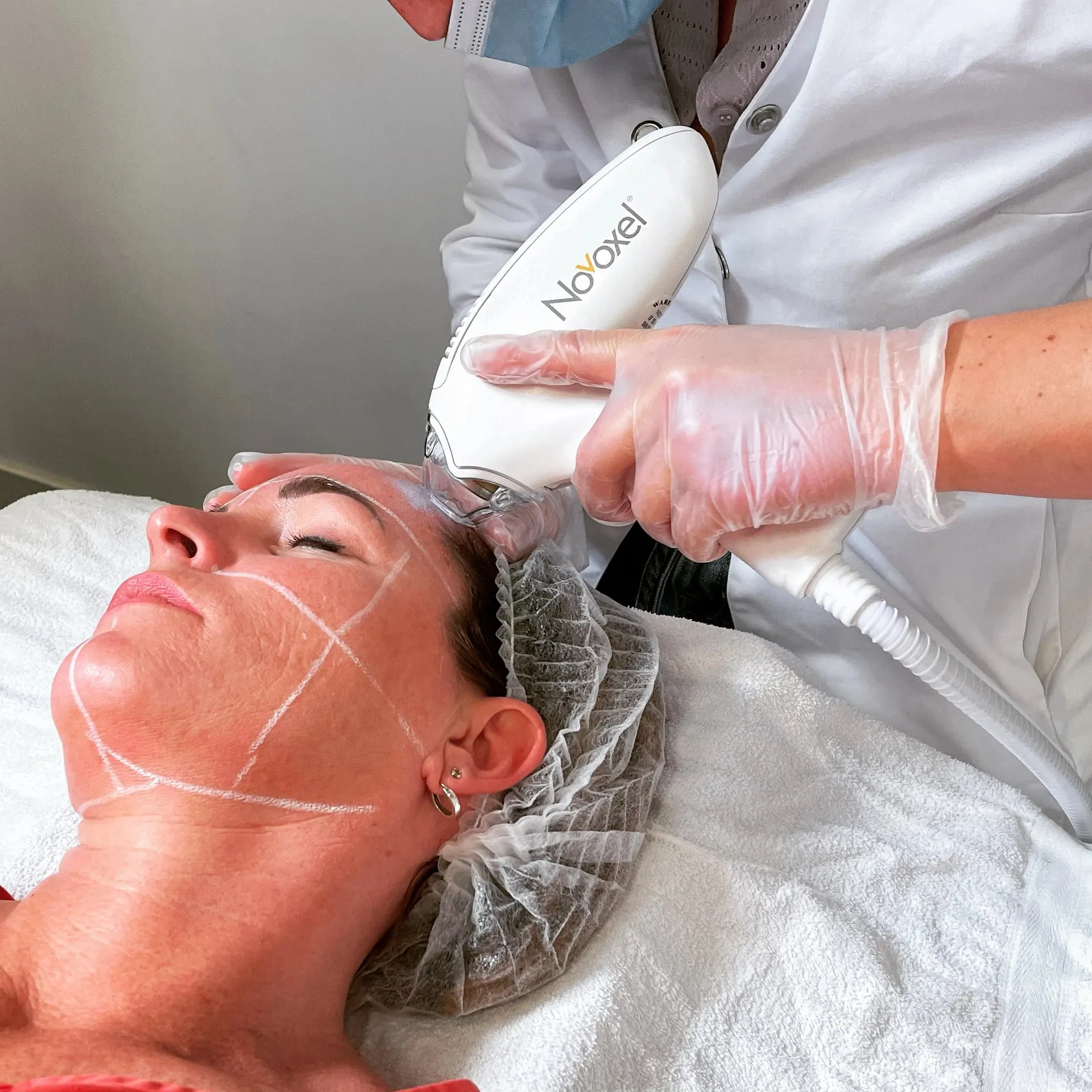
Tixel
Skin renewal with heat instead of laser light. Tixel works in a similar way to a CO2 laser, but with a shorter recovery time and no anaesthesia.
View treatment →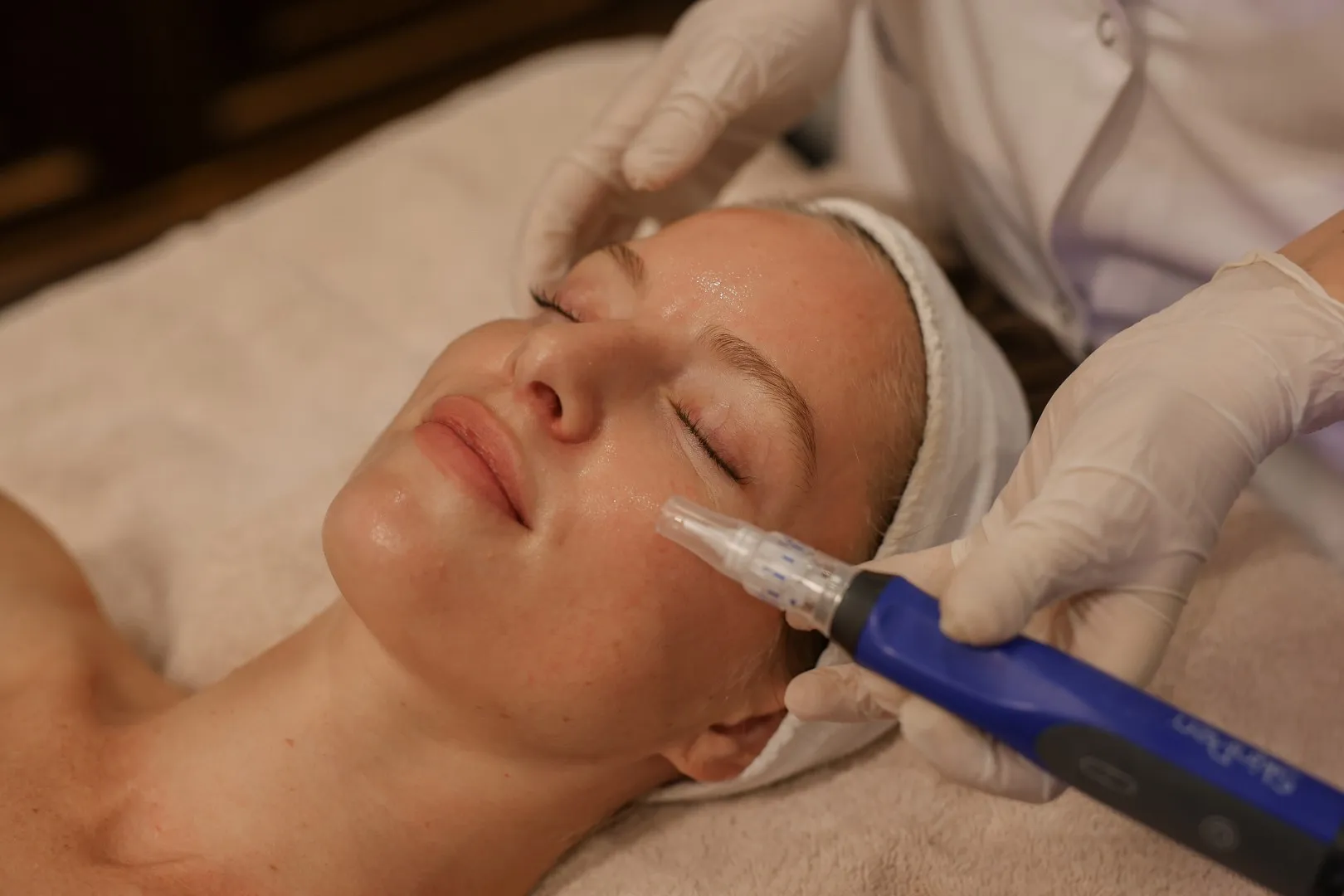
SkinPen CIT (medical microneedling)
Medical microneedling with the SkinPen, the first microneedling system with FDA clearance for the treatment of acne scars.
View treatment →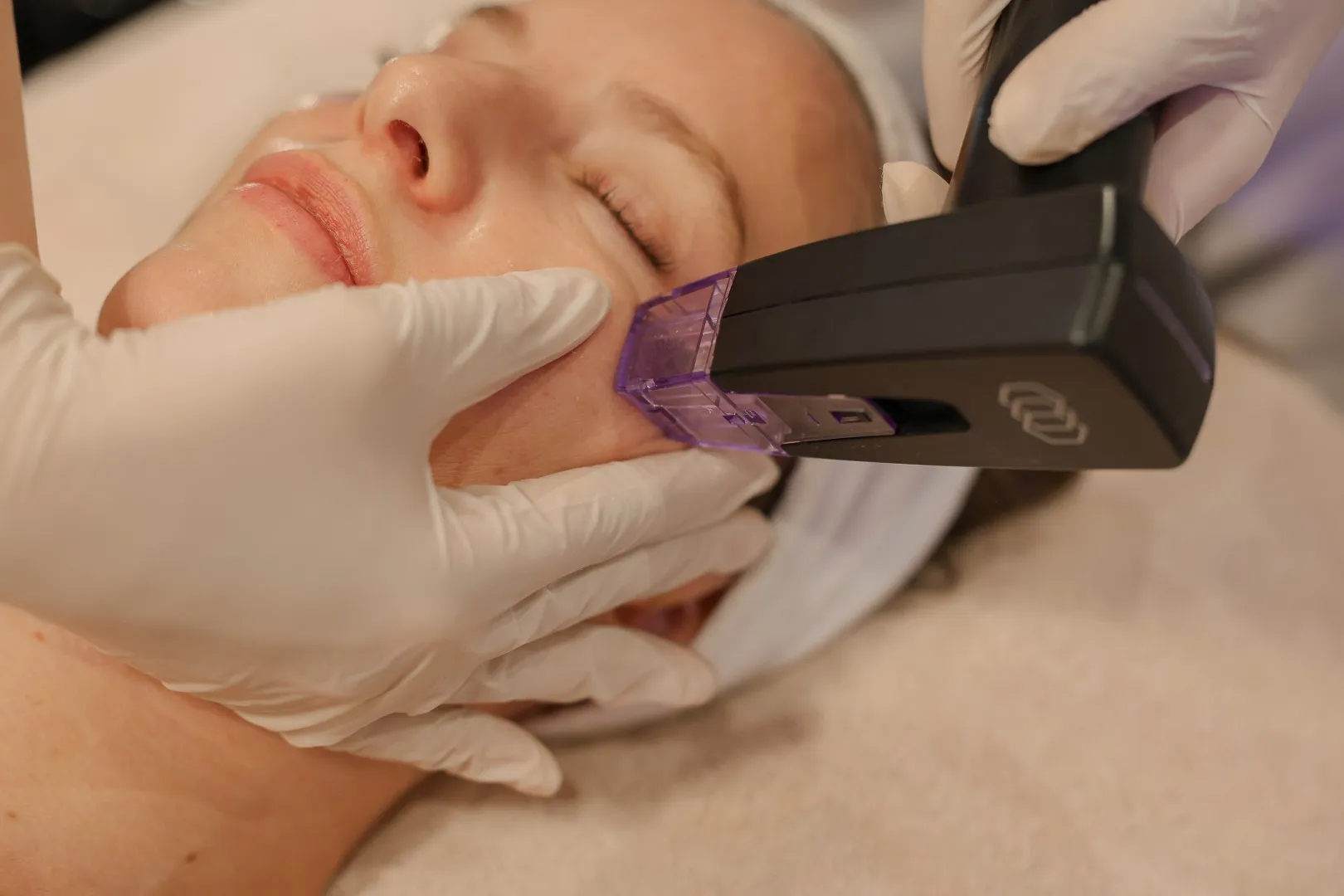
Morpheus8
Microneedling and radiofrequency in one treatment. Morpheus8 makes the skin firmer and smoother, on the face and on the body.
View treatment →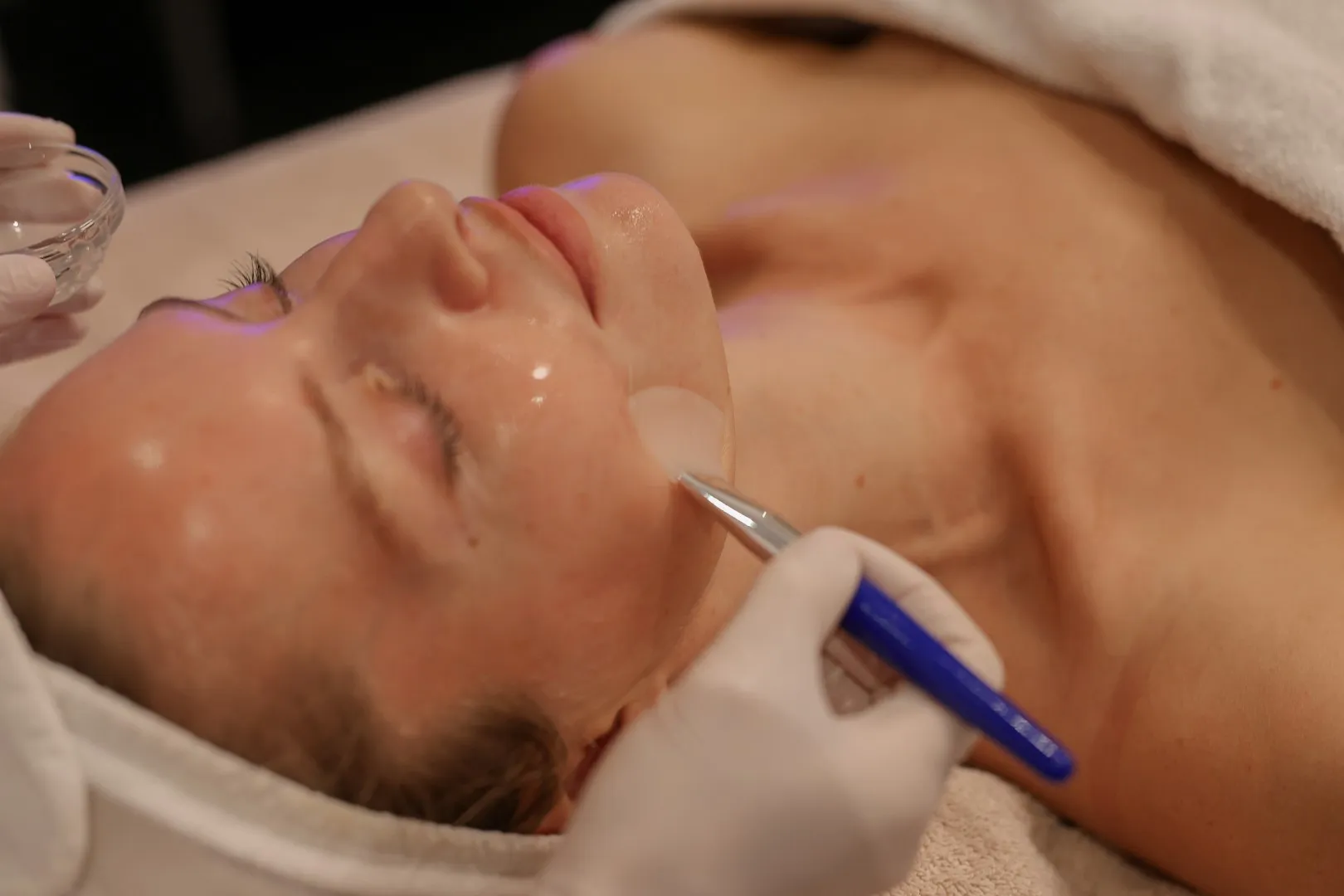
Chemical peels
From a very light peel that barely shows after the treatment to a very deep TCA or phenol peel. For each treatment we choose the strength your skin can handle.
View treatment →Questions about scars? We are happy to help.
Book a free intake. We look at your skin and tell you honestly what we can do for you.