Pigment spots on the face: causes, treatment and tips
Pigment spots on the face are common. They usually develop gradually and can be quite bothersome, especially on areas such as the cheeks, forehead or upper lip. They can often be treated well: they become less visible or disappear completely.
In this article you can read how pigment spots develop, what you can do yourself and which treatments we use at the practice.
What are pigment spots?
Pigment spots (hyperpigmentation) are dark discolourations of the skin. They develop when too much melanin is produced locally, the pigment that gives skin, eyes and hair their colour.
The best-known types are:
- sun damage (solar lentigo);
- melasma, also known as the mask of pregnancy;
- post-inflammatory hyperpigmentation: discolouration after acne or skin irritation;
- age spots.
How do pigment spots develop?
The cause differs from person to person. It is often one of these factors:
- UV radiation, from the sun or a sunbed;
- hormonal changes, for example due to pregnancy, the pill or the menopause;
- damage to the skin, such as acne or small wounds;
- certain medicines or cosmetics;
- hereditary predisposition.
Sunlight is by far the most important cause. Even if you do not burn easily, the skin can suffer damage that you only see later as pigment spots.
What can you do yourself?
Deep pigment spots usually do not disappear without treatment. You can, however, prevent them from getting worse:
- Apply sunscreen with at least SPF 30 every day, also in winter and on cloudy days.
- Do not use a sunbed.
- Leave spots alone: scratching, squeezing or products that are too strong can cause new pigment spots.
- Use gentle skincare and ask for advice about products for home use.
- Wear a hat or cap in summer.
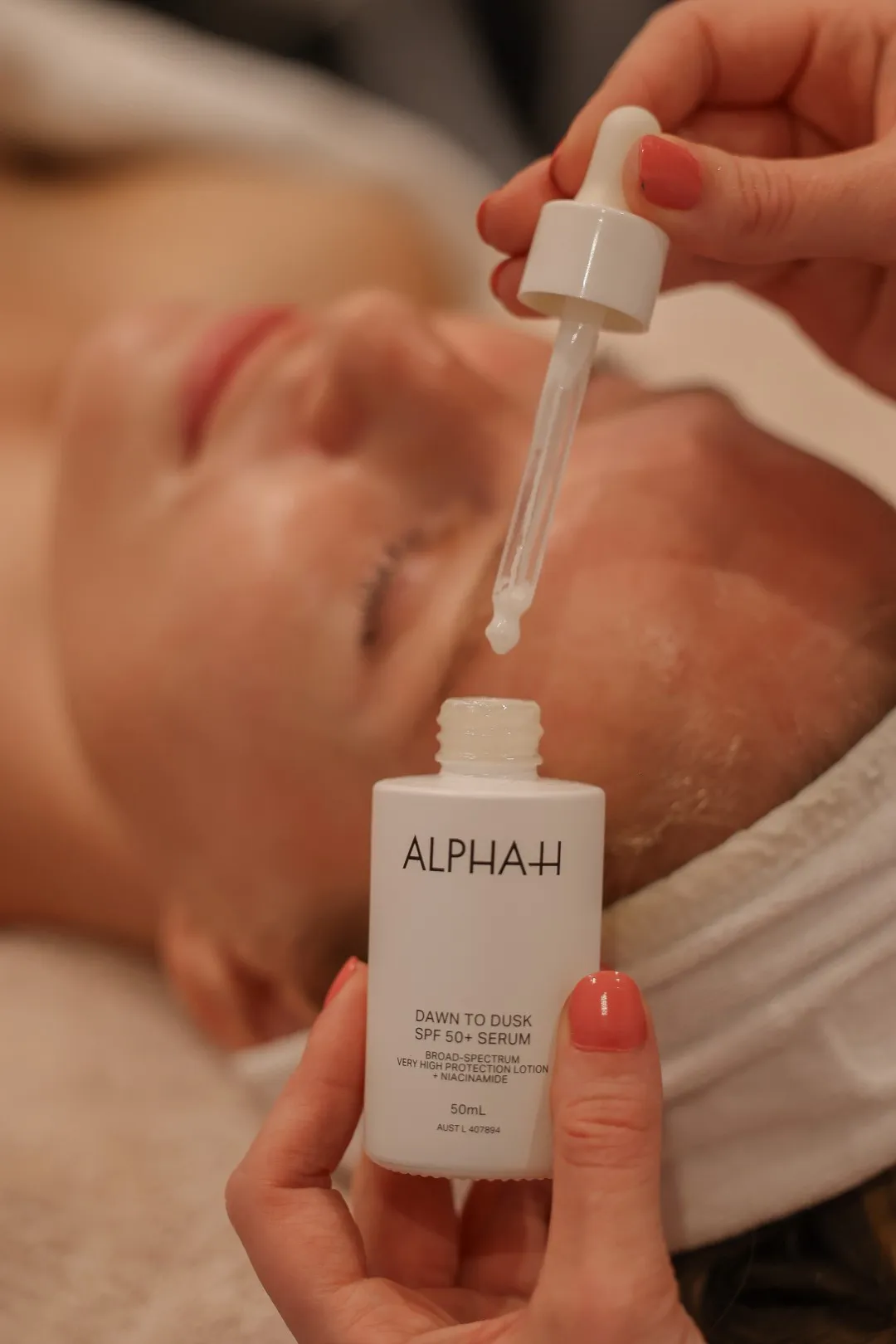
Serums with niacinamide or vitamin C can make pigment spots lighter. We are happy to discuss which serum suits you.
Treatments at Huidzorg Amstelland
We treat pigment spots on every skin type. Which treatment works best depends on the type of pigment and on your skin. These are the treatments we use most often.
ME-Line pigmentation treatment
ME-Line was developed specifically for pigmentation. The products contain tranexamic acid, azelaic acid and retinol, among other ingredients, and are suitable for every skin type and skin colour. We combine treatments at the practice with products for home use.
IPL (Lumecca)
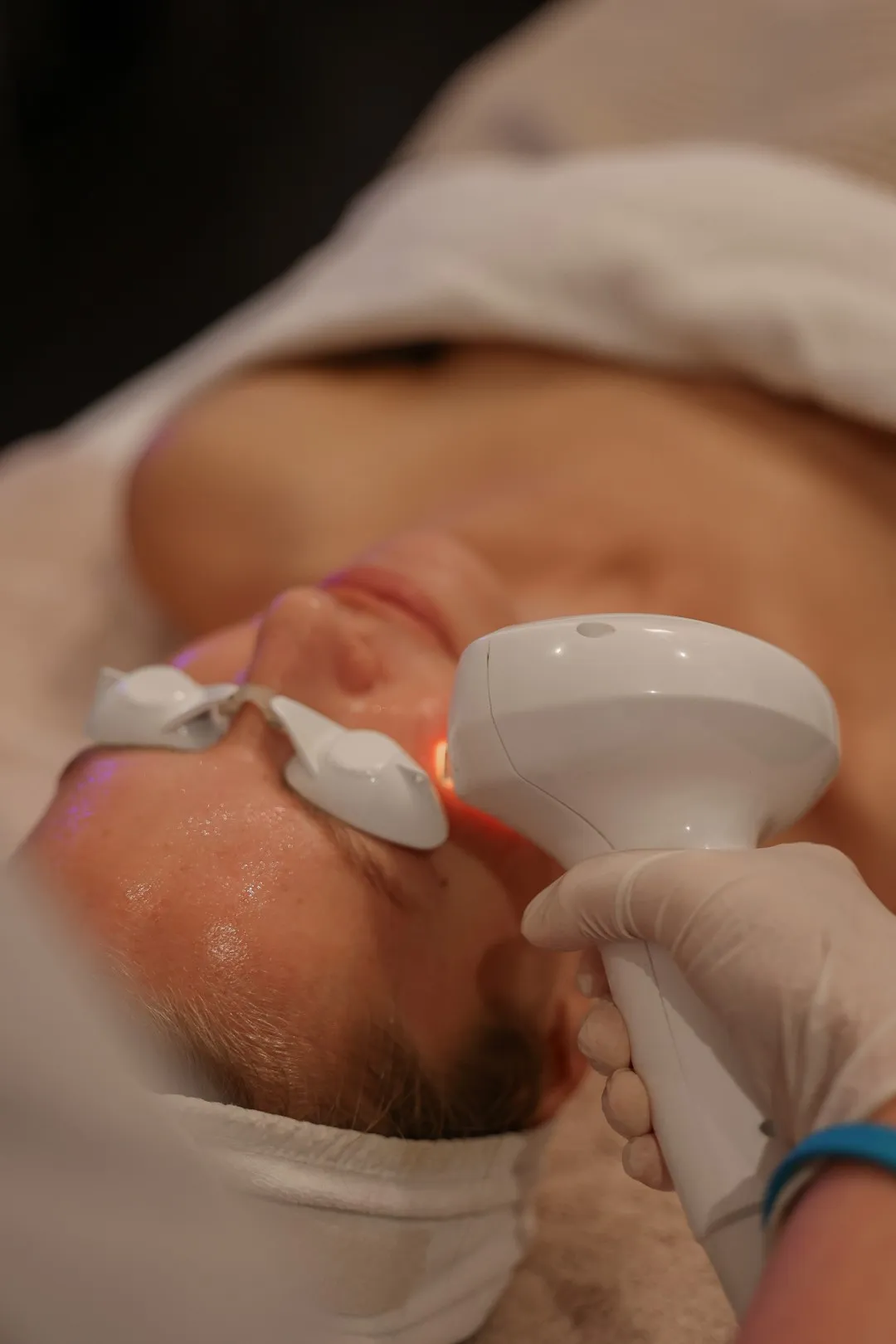
With Lumecca IPL we treat superficial pigment spots. The light pulses break down the excess pigment, which the body then clears away by itself. After a few weeks the skin is more even.
Peels and microneedling
For lighter pigmentation, or if there are also acne scars, chemical peels or microneedling can help. They stimulate the skin to renew itself, so the pigment gradually fades.
During the intake we look at your skin and decide together which treatment best suits your skin type and the type of pigment.
Book an appointment in Amstelveen
Do you suffer from pigment spots? Book a free intake at our practice on the Dorpsstraat in Amstelveen. We look at the cause, which type of pigment you have and which treatment will achieve the most. You receive honest advice, tailored to your skin.
More about
Not sure which treatment suits you?
Book a free intake. We look at your skin and tell you honestly what we can do for you.