Pigmentation
Melasma
Large, patchy brown areas on the forehead, cheeks or upper lip.
What is it?
Melasma is large, patchy brown areas without a sharp edge, often symmetrical on the forehead, cheeks or upper lip. It is much more common in women than in men, and more common in tinted skin.
In melasma, the pigment cells in a larger area have become oversensitive. They react to sun, light, heat and hormones. That is why melasma comes back easily, and why it needs a different approach from an ordinary pigment spot.
What triggers it
Hormones: many women develop melasma during pregnancy (it is also called the mask of pregnancy) or from the pill. Sun: UV light is the biggest driver. Visible light: ordinary daylight can also stimulate the pigment. Heat: a hot shower, sauna or exercise class can trigger it, even without sun.
How we treat melasma
We often start with ME-Line: a course of three treatments, four to six weeks apart, plus a required home kit that inhibits the production of new pigment. A treatment at the practice is a mask, or microneedling with a special ME-Line ampoule.
Peels also work well, such as the Crystal Peel and the Tranex Peel from Dermaceutic, which are designed specifically for melasma. We do not use IPL or laser for melasma: light and heat can actually make the pigmentation worse.
Protection is part of it
Sunscreen with factor 50 every day, all year round. With melasma, choose a sunscreen with a filter against visible (blue) light and infrared. Wear a cap or hat outdoors and reapply if you are outside for a long time. A treatment removes the pigment that is there now; protection makes sure less is added. Read more in melasma: why it comes back and what does help.
How we approach it
Every treatment plan starts with a free 30-minute intake. Your skin therapist examines your skin and discusses what you would like to achieve. We then draw up a treatment plan together. Sometimes one treatment is enough, sometimes we combine two. You also receive advice on caring for your skin at home.
Frequently asked questions
Does melasma go away?
It can be made much lighter. But the oversensitive pigment cells remain, and with them the predisposition. Without good protection it often returns in the first summer. That is why we also discuss what you do after the course.
Can melasma be treated with IPL or laser?
No. Light and heat can make melasma lighter in the short term, but in oversensitive skin they can trigger more pigment. That is why we treat melasma with ME-Line and peels.
How does the ME-Line course work?
You receive three treatments at the practice, four to six weeks apart. Each is a mask or microneedling with a special ME-Line ampoule. At home you use five ME-Line products. This home kit is a required part of the course.
How long is the recovery time?
After an ME-Line treatment the skin needs 3 to 7 days to recover. After a peel it depends on the strength.
Does melasma go away by itself after pregnancy?
Sometimes it fades by itself after pregnancy, often it does not. If it is still visible after a few months, you can have it treated. During the intake we discuss when that is possible.
When is the best time to start?
In winter. The sun is weak and you have a few months to get the skin into a good starting position before spring.
Is the treatment covered by insurance?
No, treatment of pigmentation is not covered by insurers. An ME-Line mask treatment costs € 155, an ME-Line microneedling treatment € 205 and a peel from € 90. All prices are on the prices page.
Treatments
Suitable treatments
Which treatment works best for you depends on your skin. These are the treatments we use most often for this concern.
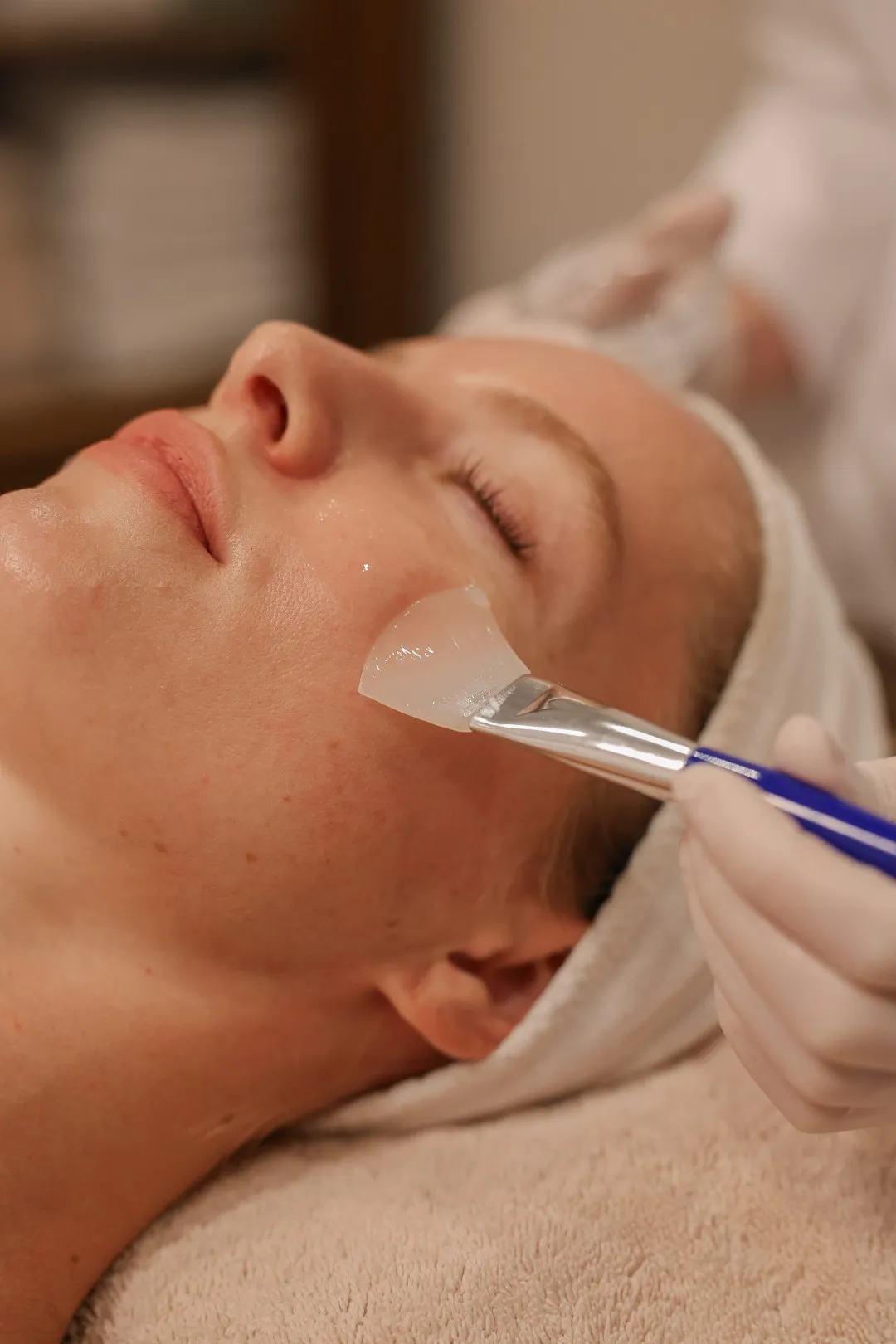
ME-Line pigmentation treatment
A course of three treatments with a home kit, developed specifically for stubborn pigmentation such as melasma.
From€ 155Recovery3–7 daysCourse3 × every 4–6 weeks
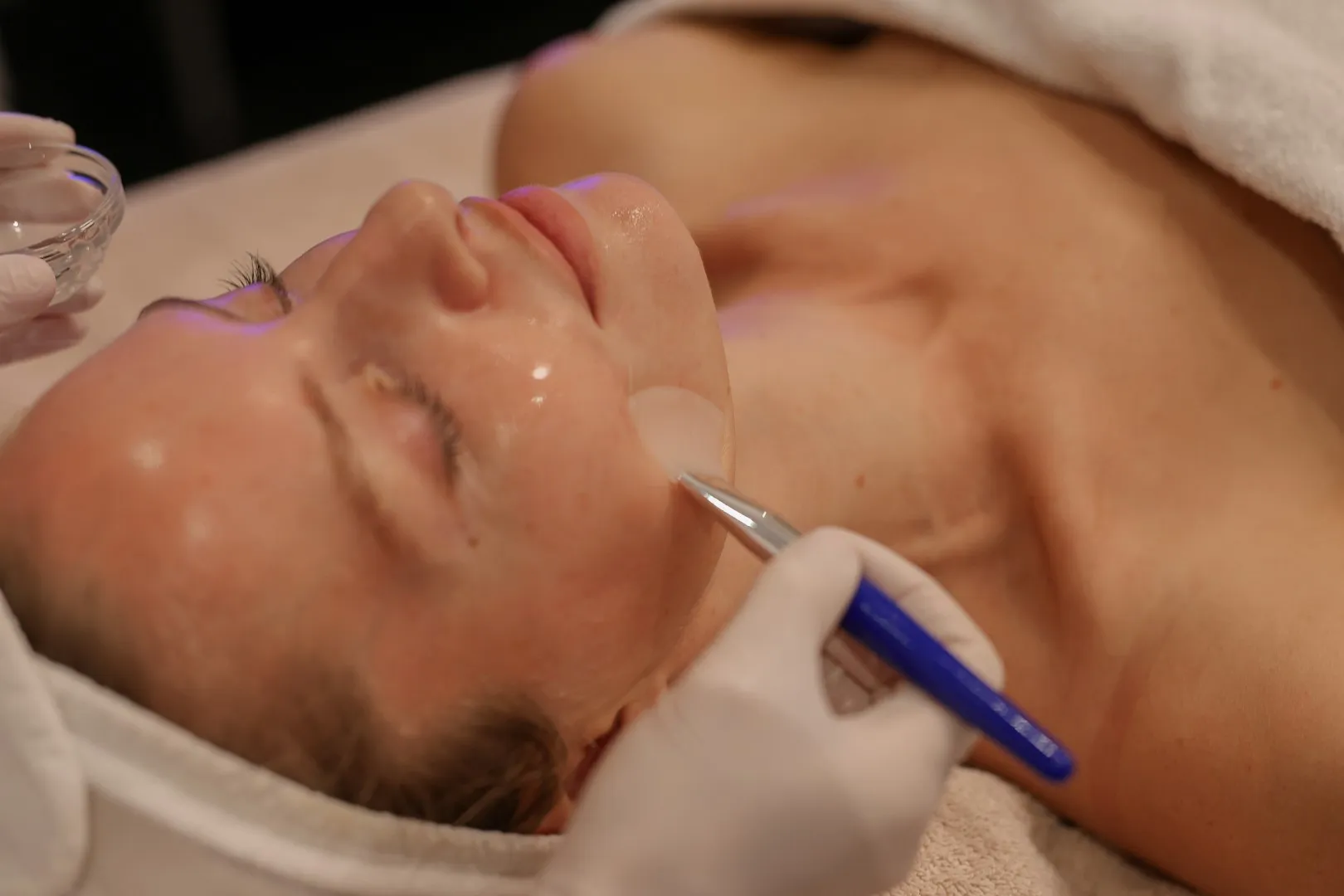
Chemical peels
From a very light peel that barely shows after the treatment to a very deep TCA or phenol peel. For each treatment we choose the strength your skin can handle.
From€ 90RecoveryNone to 7 days
Questions about melasma? We are happy to help.
Book a free intake. We look at your skin and tell you honestly what we can do for you.