What is it?
Stretch marks develop when the skin grows faster than it can keep up with, such as on the abdomen during pregnancy. The tension tears the connective tissue under the skin.
The marks are painless and purple-red at first; after a few years they turn white. They can be improved well with treatments that produce new collagen.
When do stretch marks develop?
During pregnancy, during the growth spurt in puberty, when gaining or losing weight quickly and when building muscle fast. Long-term use of corticosteroids, as a cream or tablets, can also cause stretch marks. They often appear on the abdomen, hips, buttocks, thighs and breasts.
Red or white: it makes a difference
New stretch marks are red or purple. They still contain small blood vessels and the tissue is still changing. In this phase they respond best to treatment.
White stretch marks are older. They can be improved too, but it takes longer and the difference is smaller. Stretch marks do not disappear completely. The aim is to make them flatter and less noticeable.
After a pregnancy
We do not treat stretch marks during pregnancy. After giving birth it is possible. If you are breastfeeding, we discuss at the intake which treatment is suitable at that time.
How we approach it
Every treatment plan starts with a free 30-minute intake. Your skin therapist examines your skin and discusses what you would like to achieve. We then draw up a treatment plan together. Sometimes one treatment is enough, sometimes we combine two. You also receive advice on caring for your skin at home.
Frequently asked questions
Do creams and oils help against stretch marks?
A good cream or oil keeps the skin supple and can reduce itching. There is no evidence that it prevents stretch marks or makes them disappear.
How many treatments are needed?
A series of treatments is usually needed, a few weeks apart. Exactly how many depends on how old the stretch marks are and how large the area is. We discuss this at the intake.
Treatments
Suitable treatments
Which treatment works best for you depends on your skin. These are the treatments we use most often for this concern.
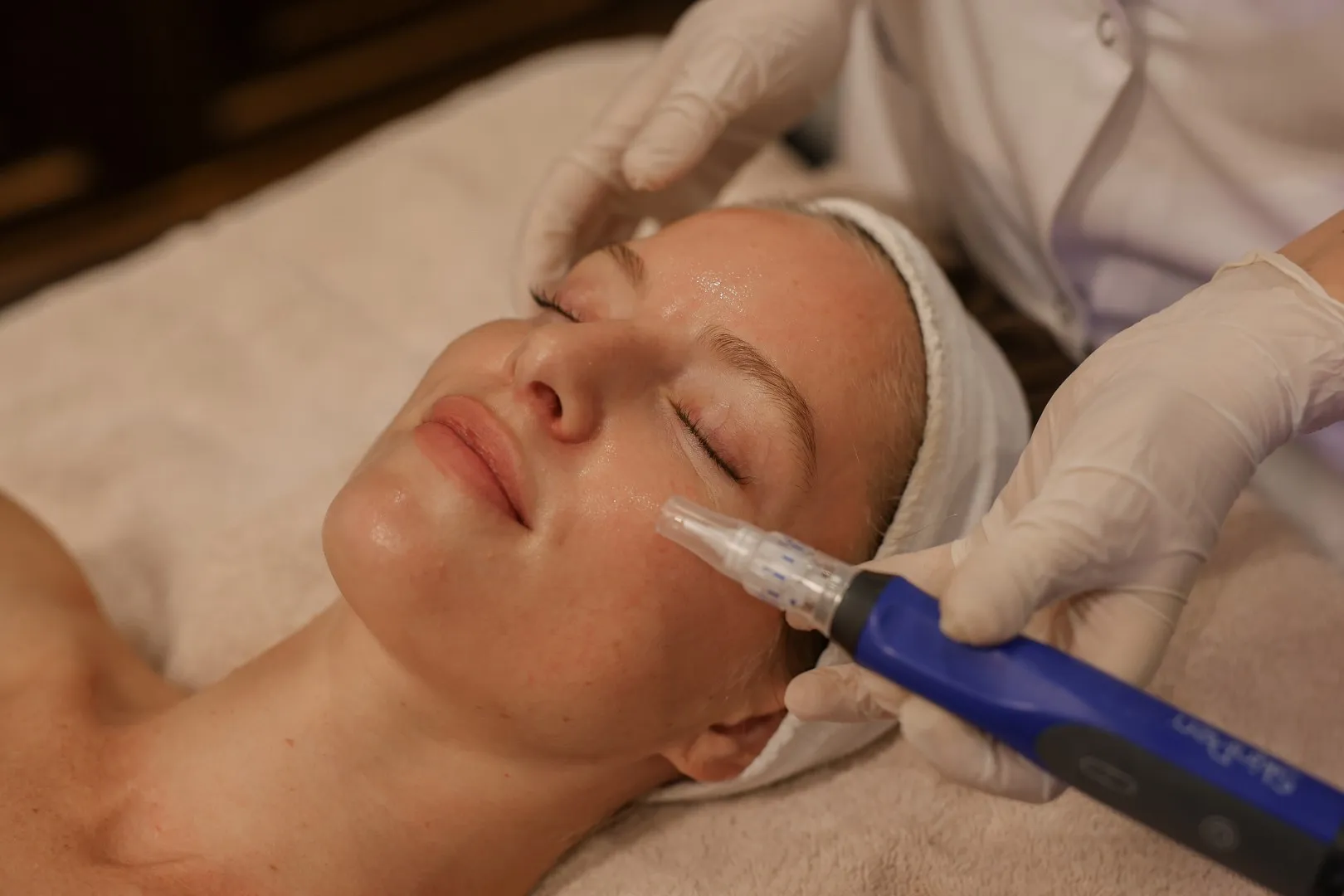
SkinPen CIT (medical microneedling)
Medical microneedling with the SkinPen, the first microneedling system with FDA clearance for the treatment of acne scars.
View treatment →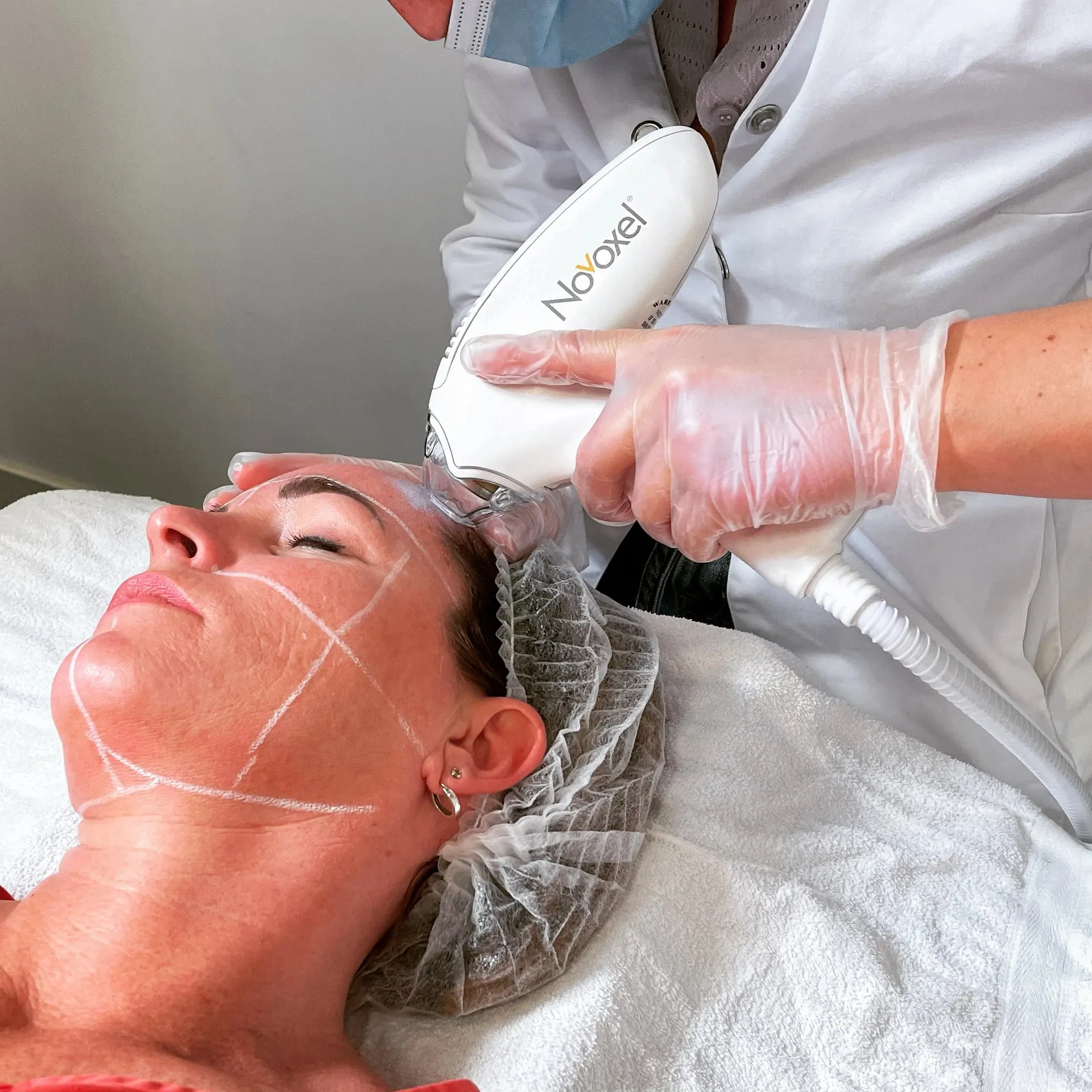
Tixel
Skin renewal with heat instead of laser light. Tixel works in a similar way to a CO2 laser, but with a shorter recovery time and no anaesthesia.
View treatment →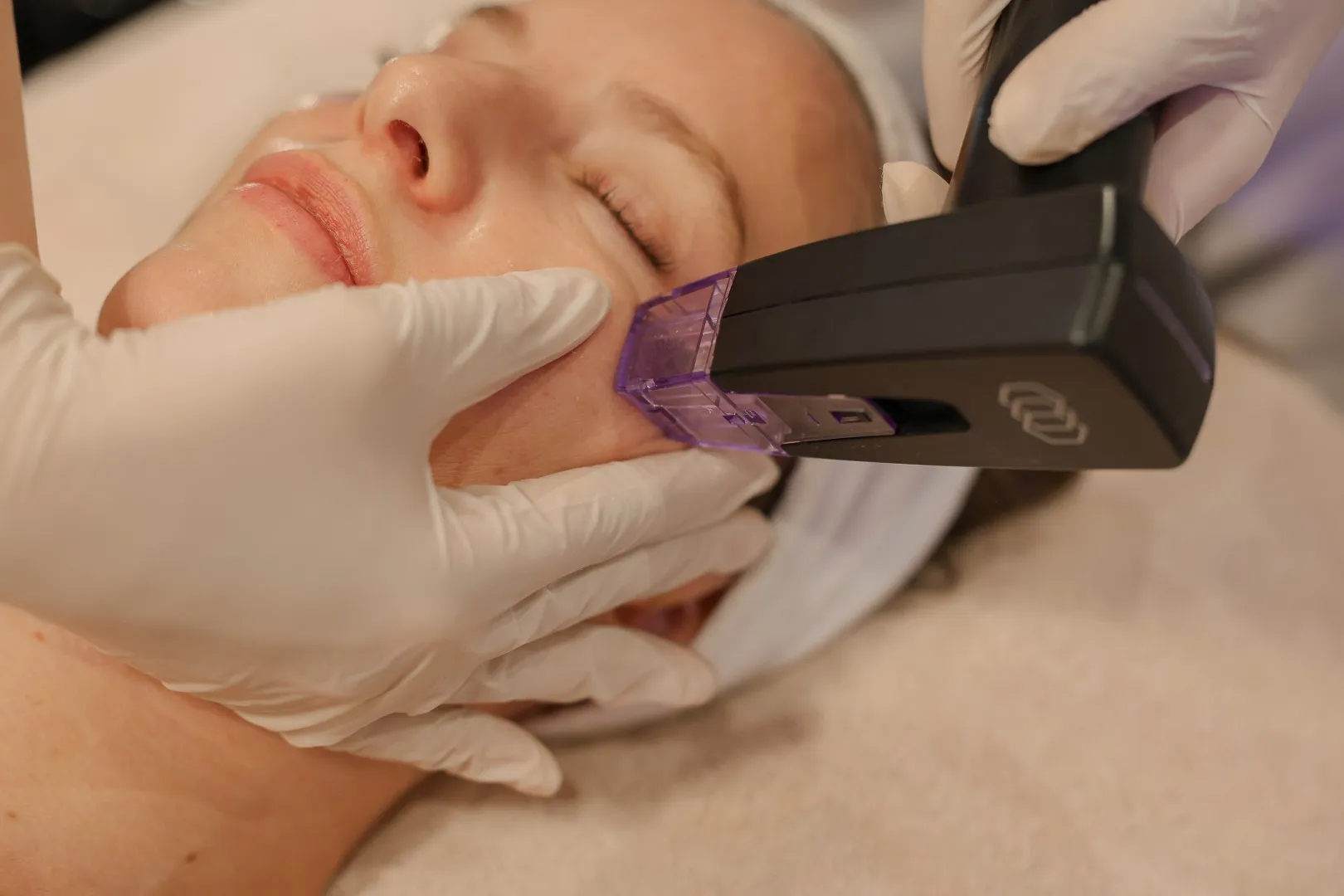
Morpheus8
Microneedling and radiofrequency in one treatment. Morpheus8 makes the skin firmer and smoother, on the face and on the body.
View treatment →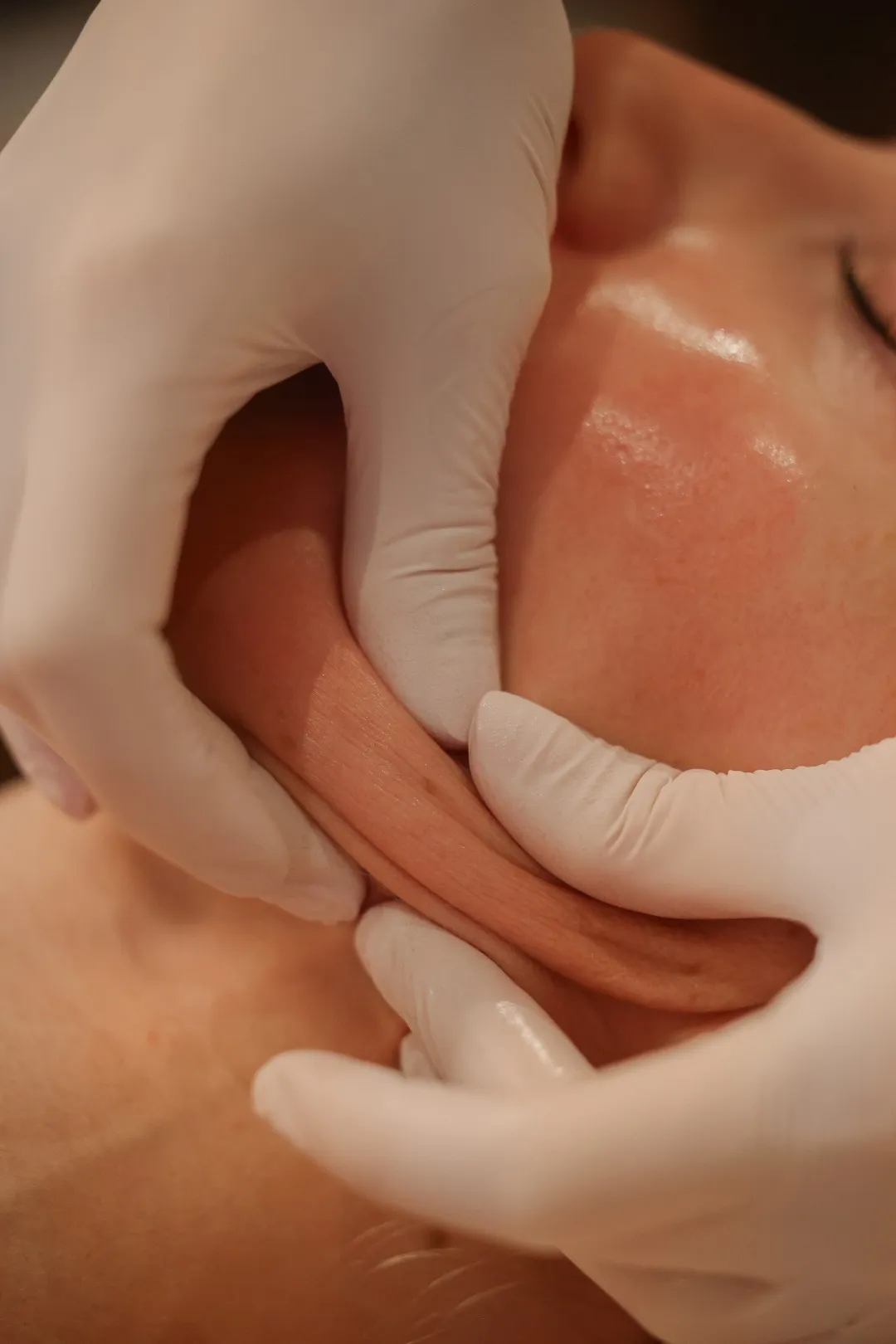
Scar therapy
A scar can pull, itch or get in the way. With massage, Tixel, microneedling and silicone, we make it more supple and less visible.
View treatment →Questions about stretch marks? We are happy to help.
Book a free intake. We look at your skin and tell you honestly what we can do for you.