Redness & thread veins
Broken capillaries (couperose)
Broken blood vessels on the cheeks, nose and chin.
What is it?
Couperose is characterised by many broken red or blue blood vessels, usually on the cheeks, nose and chin. It is more common in women.
Couperose is harmless, but can be unsightly and sometimes tingle, burn or itch. Treated blood vessels do not come back.
How do broken capillaries develop?
Over the years, the walls of the small blood vessels in the skin become less firm. Once a vessel has been stretched too far, it no longer springs back and stays visible. This shows sooner on fair, thin skin, and it often runs in families.
Other things that strain the vessels are a lot of sun, big changes in temperature (coming in from the cold, saunas, hot showers), alcohol and spicy food. Hormones play a part too, for example during pregnancy or the menopause.
Broken capillaries or rosacea?
With broken capillaries it is about the vessels themselves; the skin around them is otherwise calm. With rosacea the skin is red as well, but there are also bumps or spots and periods when it flares up. Broken capillaries can be part of rosacea. If you are not sure, we will take a look at the intake.
What can you do yourself?
Apply sunscreen with at least SPF 30 every day. Wash your face with lukewarm rather than hot water and do not use a scrub or cleansing brush. In winter, a scarf over your cheeks protects against the cold. This will not completely prevent new vessels, but it does slow them down.
How we approach it
Every treatment plan starts with a free 30-minute intake. Your skin therapist examines your skin and discusses what you would like to achieve. We then draw up a treatment plan together. Sometimes one treatment is enough, sometimes we combine two. You also receive advice on caring for your skin at home.
Frequently asked questions
Do the blood vessels come back after treatment?
A vessel that has been treated properly does not come back. New ones can appear over the years, though. Some people therefore come back once a year or every few years for a short treatment.
What does the skin look like after treatment?
After laser or IPL the skin is red and warm for a few hours to a day, sometimes slightly swollen. After coagulation small scabs may form, which come off within a week. You can usually go back to work the same day.
How many treatments are needed?
That depends on the number of vessels and how thick they are. Single vessels are often gone in one session. Extensive broken capillaries on both cheeks usually need two or three treatments, a few weeks apart.
Is treatment of broken capillaries covered by insurance?
No, health insurers no longer cover treatment of broken capillaries. You can find the prices on the prices page.
Treatments
Suitable treatments
Which treatment works best for you depends on your skin. These are the treatments we use most often for this concern.
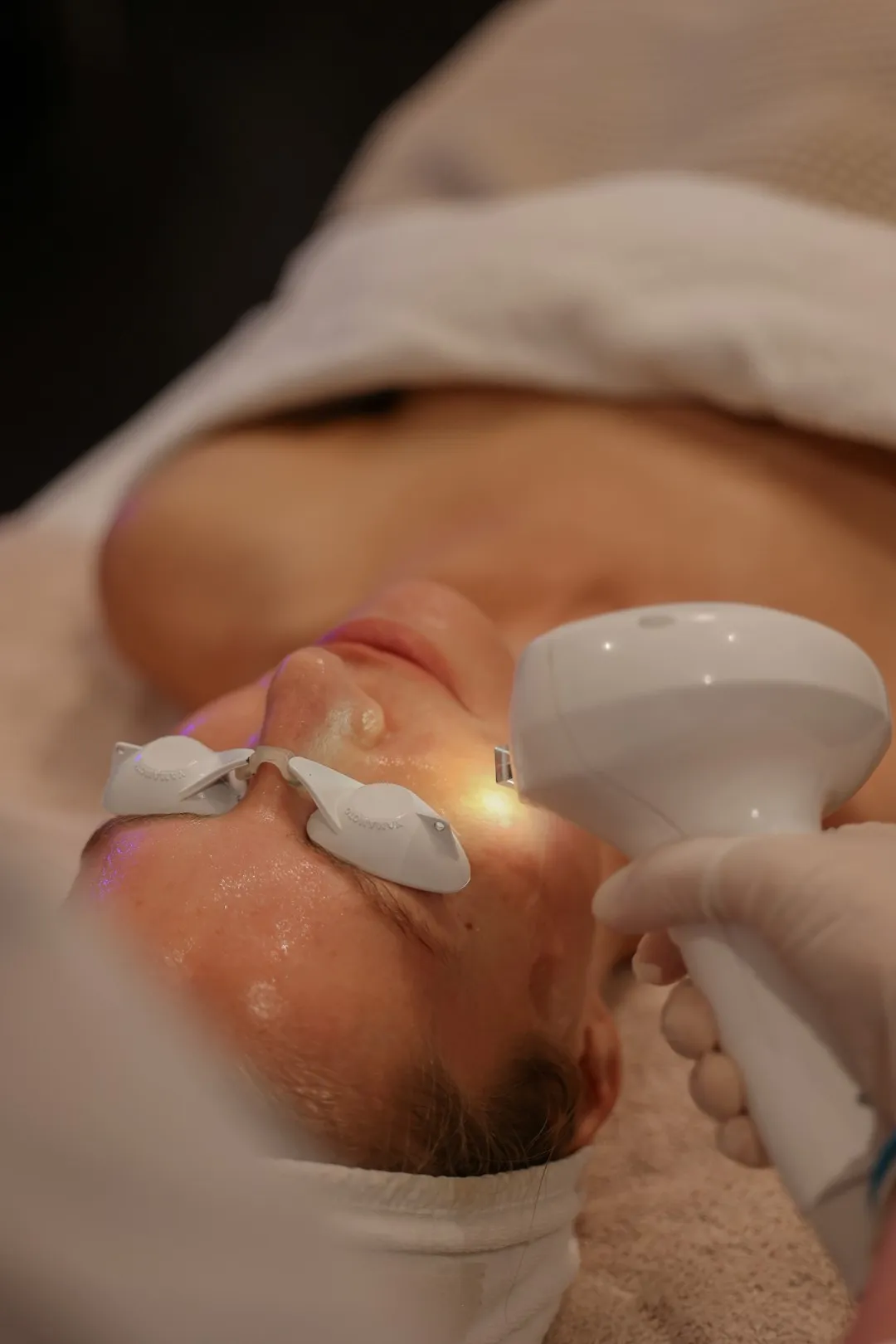
Laser therapy
Laser and IPL for broken capillaries, pigmentation, acne and scars, performed by registered skin therapists.
View treatment →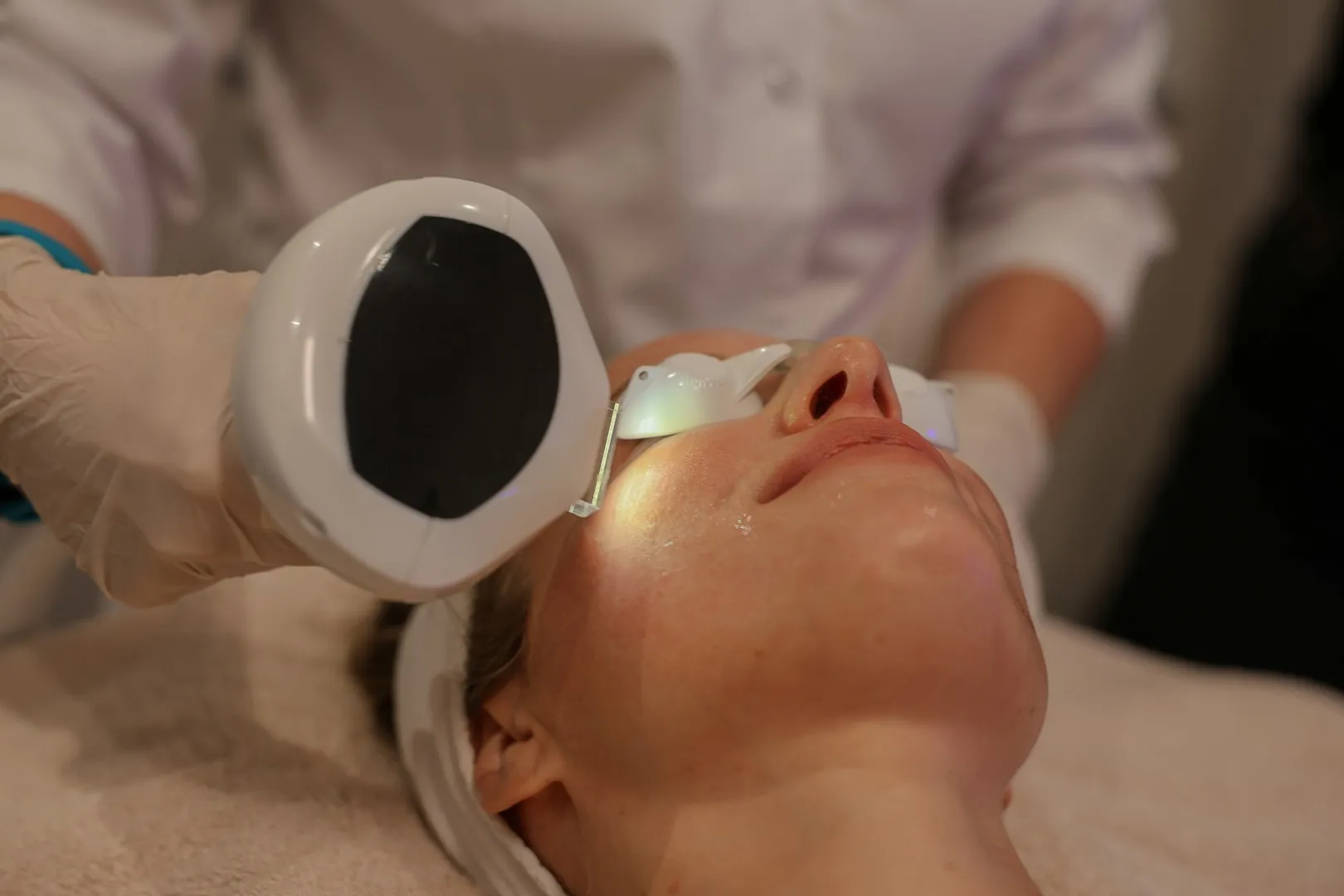
Lumecca IPL
Powerful pulsed light for pigmentation, broken capillaries and redness. One to three treatments are often enough for calmer, more even skin.
View treatment →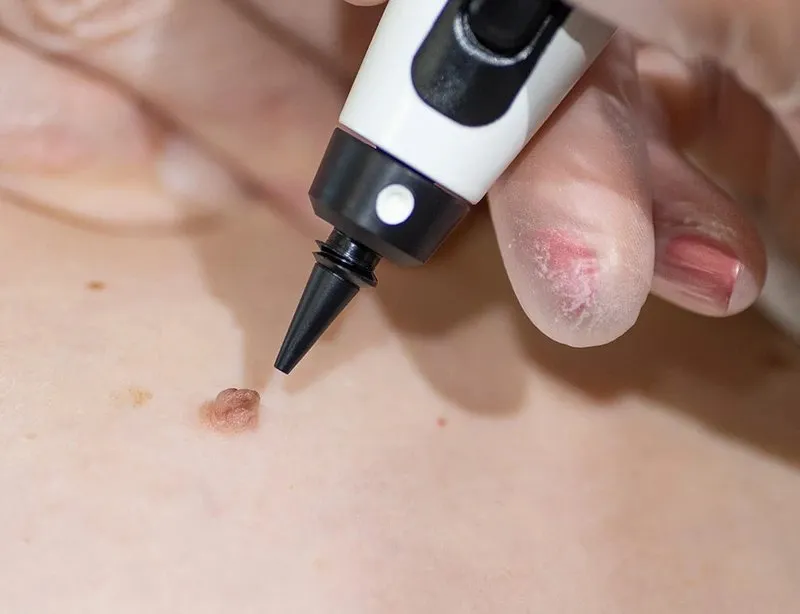
Removal of benign skin lesions
Skin tags, milia, seborrhoeic warts or a broken capillary: lesions like these have usually gone after one or two treatments.
View treatment →Questions about broken capillaries (couperose)? We are happy to help.
Book a free intake. We look at your skin and tell you honestly what we can do for you.