“I think I have thread veins. Or is it rosacea?” We hear that question at the intake almost every week. Understandable, because from a distance they look alike: red cheeks, a red nose, visible blood vessels. Still, the difference matters, because the care and the treatment are not the same.
Thread veins: it is in the blood vessels
Thread veins (couperose, also called broken capillaries) are about the small blood vessels in the skin. Their walls become less firm over the years. If a vessel keeps stretching, at some point it no longer springs back and stays visible as a red or purplish line. It is usually on the cheeks, along the sides of the nose and on the chin.
The skin around those vessels is otherwise calm. There are no bumps or spots, and the redness does not come and go in waves. What you see stays.
Genes play a big part. If your mother or father has it, you are more likely to get it too, especially with fair, thin skin. Sun, cold, big changes in temperature and alcohol also put strain on the vessels.
Rosacea: skin that flares up
Rosacea is a chronic condition of the skin itself. There are blood vessels, but on top of that the skin is often red and sensitive as a whole. Many people also get red bumps or spots. They look like acne, but there are no blackheads. What is typical is that it flares: calm periods, alternating with days when your face glows, stings or burns.
In some people the eyes are affected too. They feel dry or gritty, or the eyelids are red. That is part of rosacea as well.
How do you tell the difference?
A few questions that help:
- Does the redness come and go? That points more towards rosacea. With thread veins, the vessels simply stay.
- Do you have bumps or spots in the red areas? That fits rosacea, not thread veins.
- Does your skin sting or burn easily, for example with a new cream? Sensitive, reactive skin often goes with rosacea.
- Do you mainly see separate lines on otherwise calm skin? Then it is probably thread veins.
It can also be both. Thread veins can be part of rosacea, and then you see a mix. If you are unsure, we will take a look during the intake.
What makes it worse
The triggers largely overlap. Sun is the most important one. Then heat (sauna, hot showers, a warm kitchen), cold and wind, alcohol and spicy food. With rosacea, stress, exertion and hot drinks are often added to that, as are skincare products with perfume, alcohol or menthol.
A tip we often give: keep track for a few weeks of when your skin turns red. Write down what you ate, where you were and what the weather was like. After a while you often see a pattern. For one person it is red wine, for another the bike ride in the wind.
What you can do yourself
For both: wash your face with lukewarm water, not hot water. Leave scrubs, brushes and strong acids aside. Apply sunscreen of at least SPF 30 every day, even when it is cloudy. In winter, a scarf over your cheeks helps more than you might think.
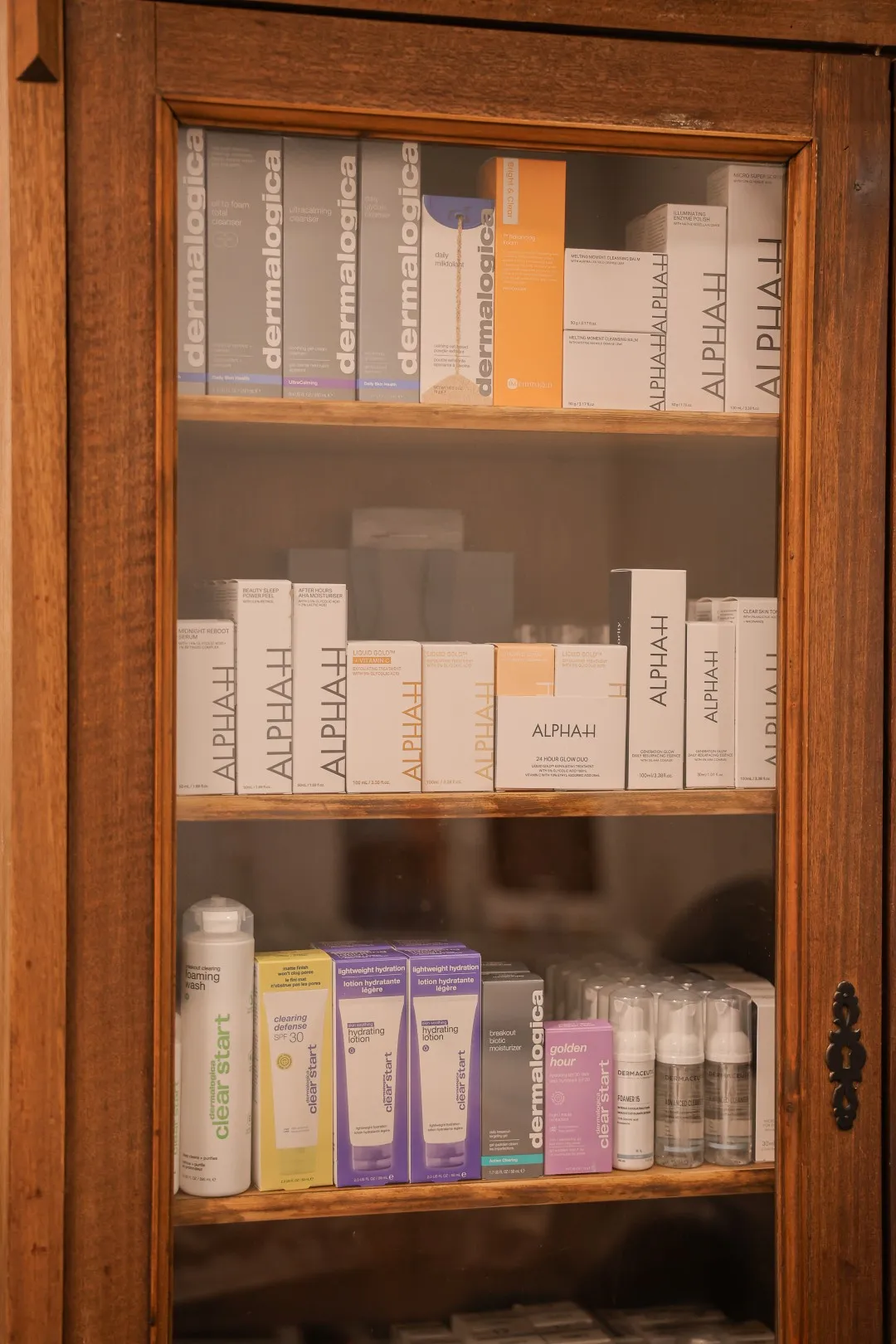
With rosacea, the routine can be even simpler. A mild cleanser, a fragrance-free cream and sunscreen. The skin often starts to feel calmer simply because you use fewer products. We also recommend products with active ingredients that calm the inflammatory response in the skin. Which ones depends on your skin. We discuss that during the intake.
GP or skin therapist?
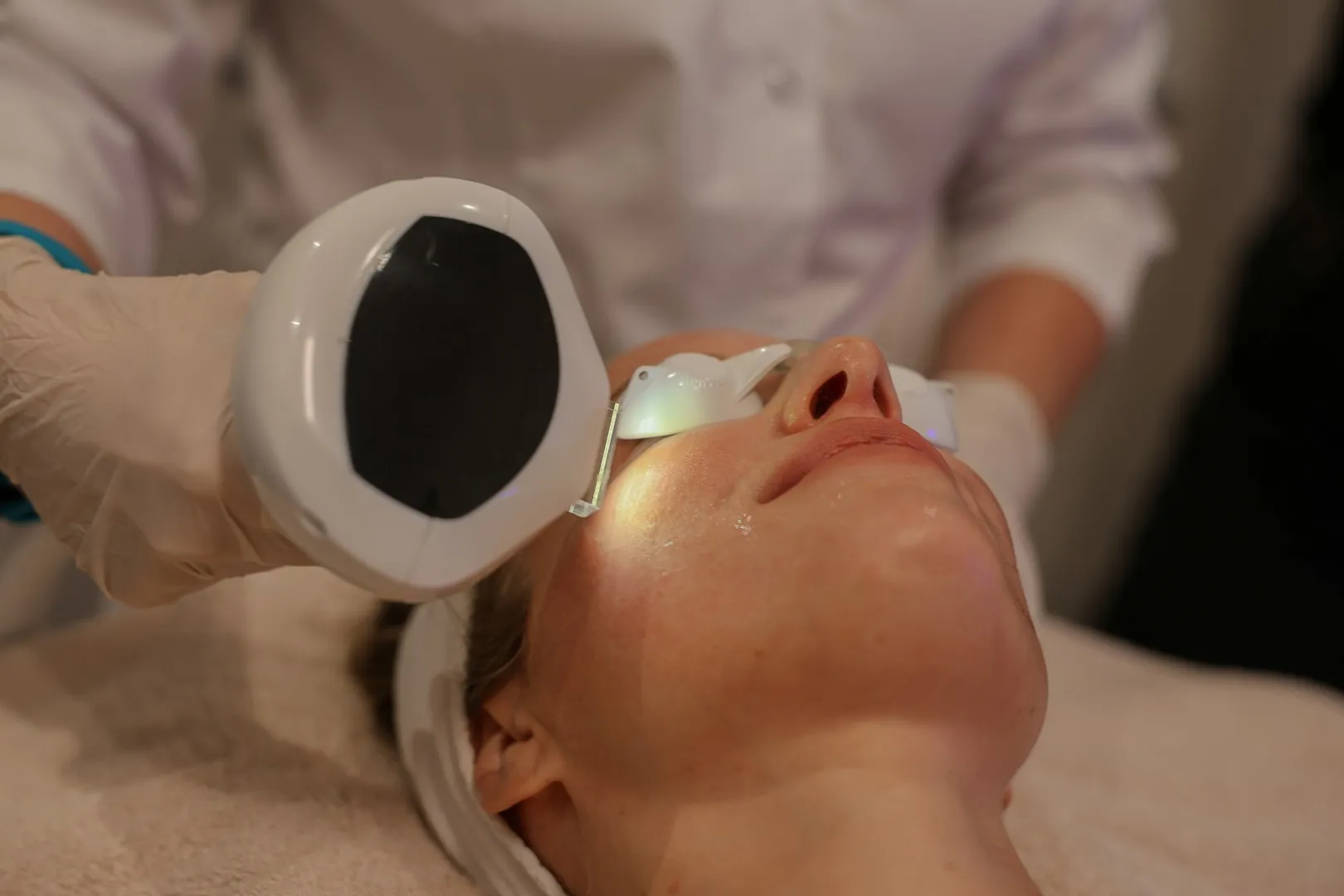
For thread veins you can come straight to us. With laser or IPL we close the vessels, after which the body clears them away. Separate vessels are often gone after one treatment. For extensive thread veins on both cheeks, two or three treatments are usually needed, a few weeks apart. Vessels can grow back over time, and new ones can appear. That is why we recommend a maintenance treatment every one to two years.
For rosacea with bumps and spots, the GP or dermatologist is often the first step. They can prescribe a cream or tablets that calm the inflammation. That usually does not make the vessels and the persistent redness disappear. We treat those, with IPL or laser. In this way the two approaches complement each other.
We also work on the inflammatory response itself. We do that with peels that we keep mild and adapt to your skin, and with LED. Blue light calms the skin and gives off no heat. Microneedling can also strengthen the skin barrier, so the skin reacts less quickly. Rosacea does not go away, but it can be calmed down and kept calm.
Good to know about the costs
Health insurers no longer cover the treatment of thread veins. What a treatment costs depends on the size of the area. A small area on the nose or one cheek starts at € 89, the whole face costs € 197. All prices are on the prices page.
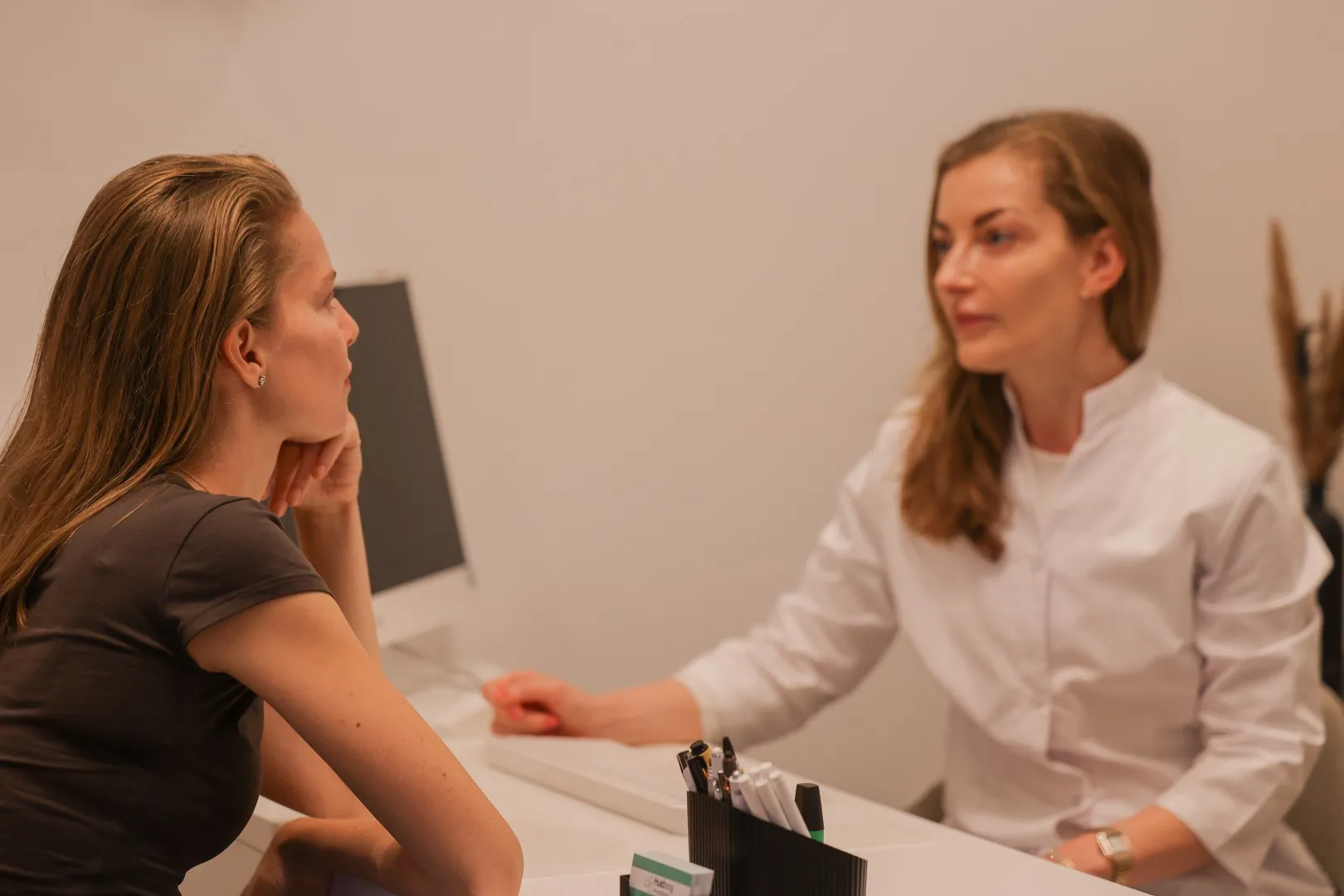
Would you like to know what it is in your case and what is possible? Book a free intake. We look at your skin and tell you honestly which treatment makes sense.
More about
Not sure which treatment suits you?
Book a free intake. We look at your skin and tell you honestly what we can do for you.