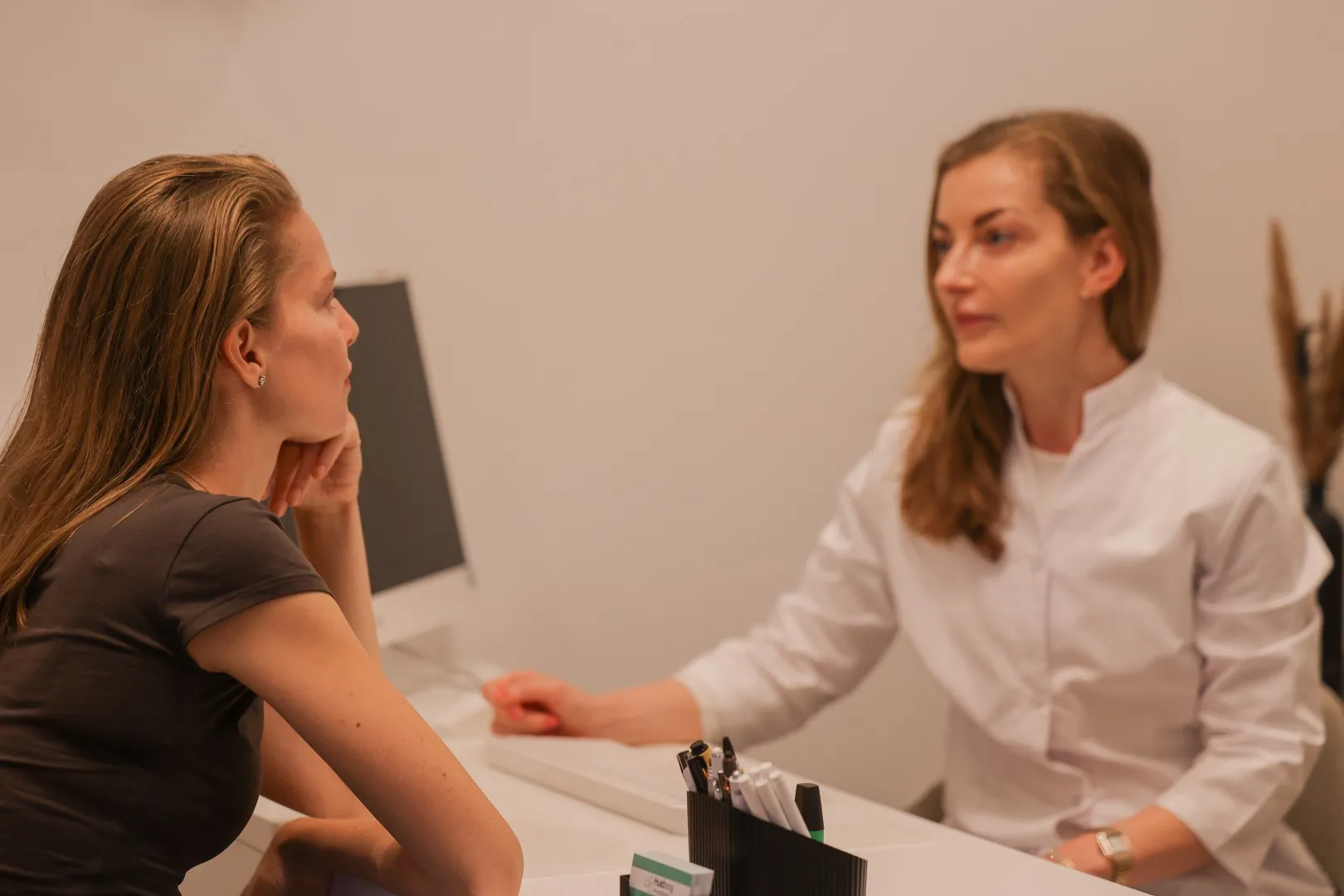
On the phone we are regularly asked whether we are a kind of beauty salon. Or, the other way round, whether you need to see a dermatologist before you can come to us. Neither is quite right. Skin therapy is a profession of its own, with its own training and its own place in healthcare.
A paramedical profession
A skin therapist (huidtherapeut) has completed the four-year higher professional degree in Skin Therapy. That degree is broader than many people think. It covers dermatology and anatomy, but also laser technology, oedema therapy, scar treatment and camouflage. After graduating, a skin therapist registers with the Dutch Quality Register for Paramedics (Kwaliteitsregister Paramedici). To stay registered, a skin therapist has to show every five years that they have kept up their training and worked enough hours.
Want to check whether someone really is a skin therapist? Search for their name in the Kwaliteitsregister Paramedici. Every registered skin therapist is listed there.
The difference with a beautician
A beautician focuses on caring for healthy skin. A good facial can be lovely, and your skin often really benefits from it.
The difference lies in the complaint. If you have acne that will not clear up, rosacea, a scar that pulls, or an arm that swells after breast surgery, then it is a skin condition. That is what a skin therapist is trained for: finding out what is going on, making a treatment plan and carrying it out in a medically sound way. Also with laser, IPL or needles, and with the knowledge to recognise when something is better left alone.
You see that difference with health insurers too. Skin therapy for a medical reason can be covered by supplementary insurance. A treatment at a beautician is not.
The difference with a dermatologist
A dermatologist is a doctor who has specialised in the skin. They make diagnoses, including when skin cancer is suspected, prescribe medication and carry out minor procedures. You usually see a dermatologist through your GP.
A skin therapist does not prescribe medication and does not diagnose a spot that looks suspicious. If we see something we are not comfortable with, we first send you to your GP. Only once it is clear that it is harmless do we treat it.
In practice we often complement each other. With rosacea, the GP or dermatologist sometimes prescribes a cream or tablets for the bumps, while we treat the blood vessels and the redness. And after surgery or radiotherapy, doctors regularly refer patients to us for scar care or oedema therapy.
Do you need a referral?
No. You can see a skin therapist without a referral. It can matter for your insurance cover, though: some insurers ask for a referral, for example for acne therapy or for scar therapy after a medical procedure. Our page about insurance explains how this works.
What you can come to us for
A large part of our work is treating skin conditions. Think of acne, scars, broken capillaries and pigmentation, and oedema and scar therapy after breast cancer.
We also offer treatments that improve or rejuvenate the skin, such as Morpheus8, Tixel and microneedling. These are not covered by insurance, but the training counts there too. Someone who knows how the skin is built and how it heals is better able to judge which treatment suits your skin and which does not.
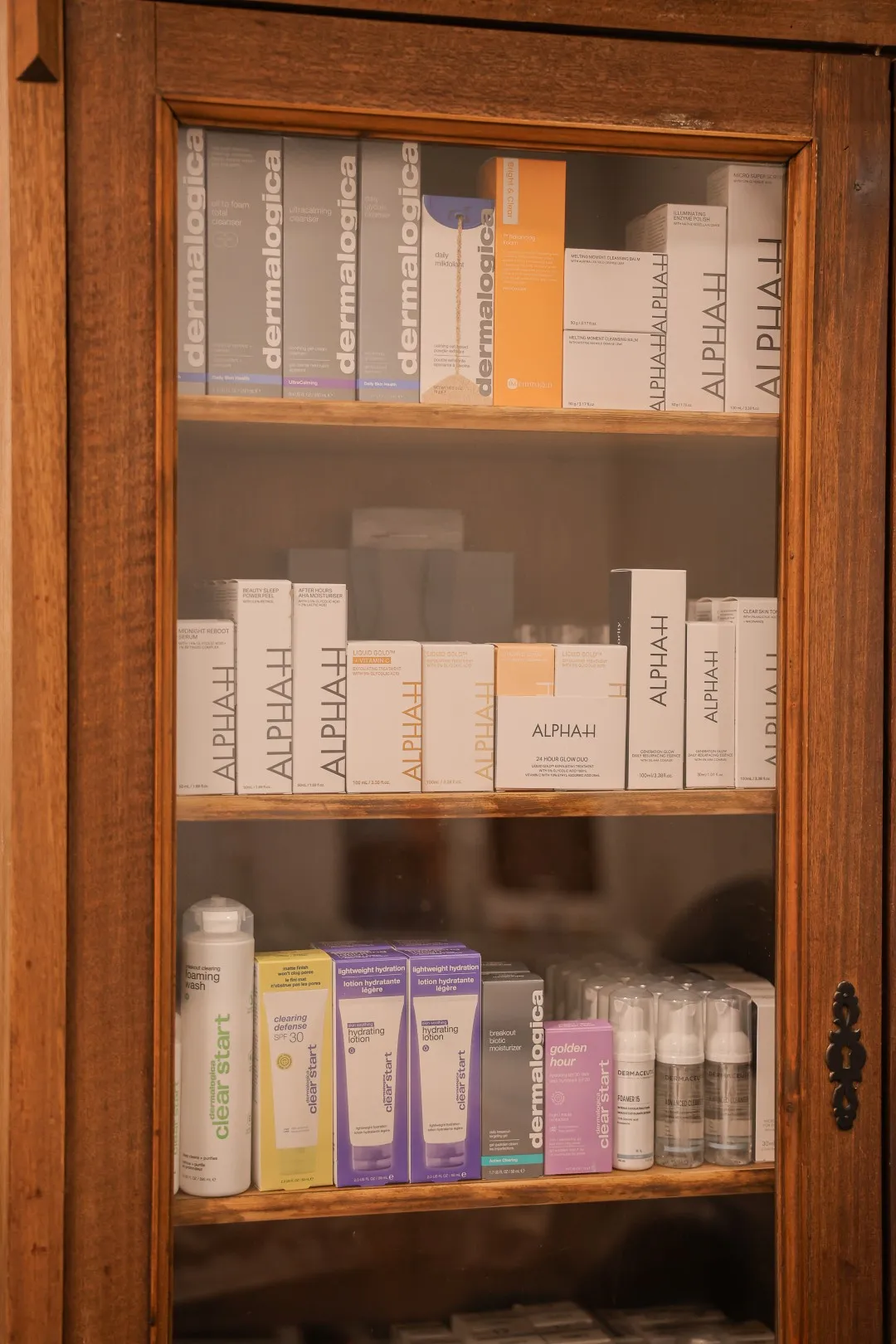
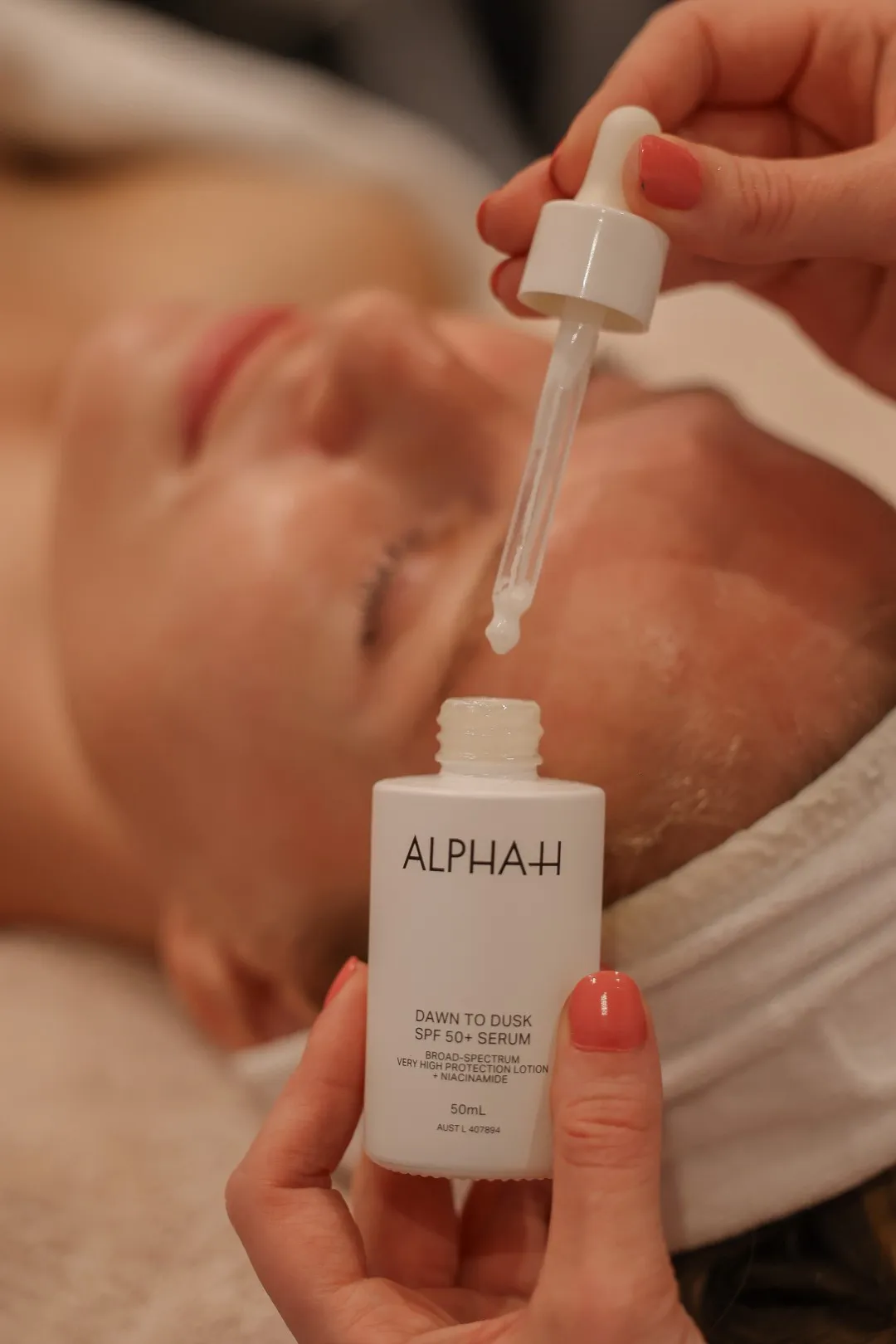
Removing harmless skin lesions, such as skin tags or milia, is part of it as well. And we give a lot of advice about care at home, because that matters at least as much for the result as what we do in the treatment room.
Our team
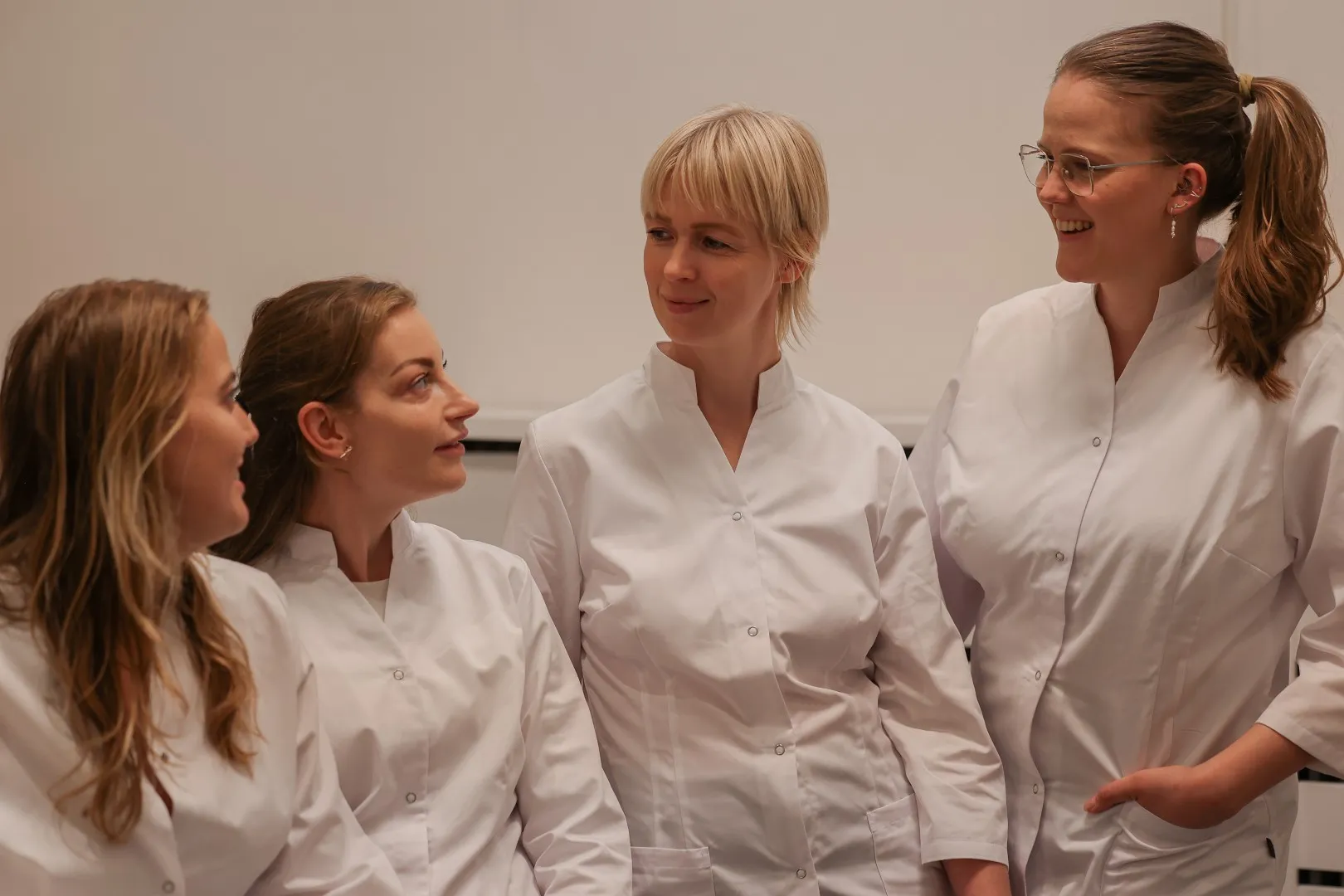
Maaike van Weezenbeek started Huidzorg Amstelland in 2014. Four skin therapists now work at the practice, all with a higher professional degree, listed in the Kwaliteitsregister Paramedici and members of the Dutch Association of Skin Therapists (NVH). They introduce themselves on the about us page.
Not sure whether your complaint is something for us? Feel free to call, or book a free intake. In half an hour we look at your skin and tell you honestly what we can do for you.
Not sure which treatment suits you?
Book a free intake. We look at your skin and tell you honestly what we can do for you.